Foreign Manufacturing Quality: What You Need to Know About Generic Drug Sources
When you pick up a generic pill, you might assume it’s just like the brand-name version—and for the most part, it is. But foreign manufacturing quality, the standard of production in overseas facilities that make most generic drugs sold in the U.S. isn’t always consistent. Over 80% of the active ingredients in your medications come from countries like India and China, where factories operate under the same rules as U.S. plants—but enforcement isn’t always the same. This isn’t about fear; it’s about knowing what to look for and why some batches are safer than others.
FDA inspection records, public reports that show whether a drug factory passed or failed quality checks are your best tool. These aren’t hidden documents—they’re posted online, and they tell you if a plant had dirty floors, missing records, or fake test results. One 2023 inspection found a facility in India that reused expired drug samples to pass quality tests. That’s not a glitch; it’s a pattern. CGMP compliance, the set of rules that ensure drugs are consistently produced and controlled according to quality standards sounds like bureaucracy, but it’s the line between a pill that works and one that doesn’t. When a company cuts corners on clean rooms, equipment calibration, or batch testing, it doesn’t just risk fines—it risks your health.
And it’s not just about the ingredients. pharmaceutical quality control, the systems that track every step from raw material to finished pill matters just as much. A generic version of your blood pressure med might be chemically identical, but if the coating breaks down too fast in your stomach—or if the powder clumps during shipping—it won’t work right. That’s why some patients report sudden changes in how they feel after switching generics, even when the label says it’s the same. It’s not placebo; it’s manufacturing variance.
You don’t need to become a regulatory expert, but you do need to know where to look. The FDA doesn’t shut down every bad plant overnight. Some keep getting inspected, keep failing, and keep selling. The difference? Awareness. When you understand how foreign manufacturing quality affects your meds, you can ask better questions—like whether your pharmacy sources from a facility with a clean inspection record, or if your doctor has alternatives that come from more transparent suppliers. The posts below dig into real cases: how inspections uncover fraud, why some generics change color without warning, how the FDA tracks overseas factories, and what you can do if your medication suddenly stops working. This isn’t theory. It’s what’s in your medicine cabinet—and who made it.
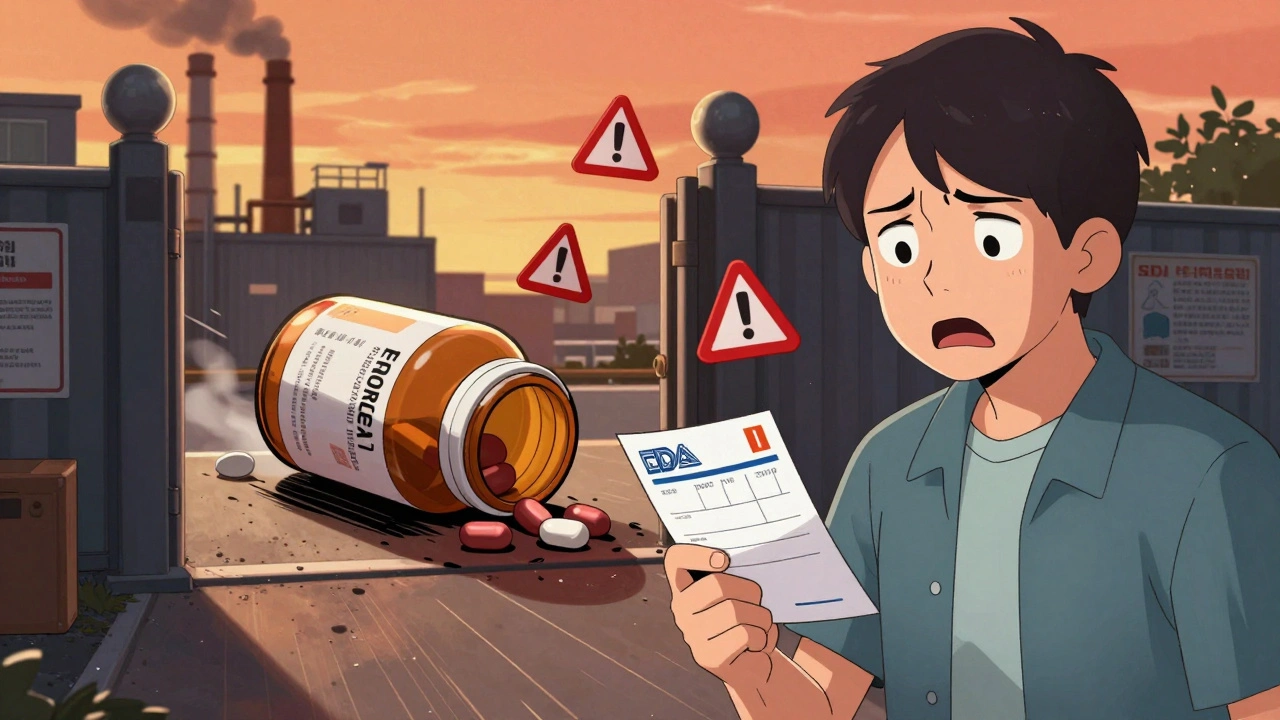
Foreign Manufacturing Quality Issues: How Overseas Production Risks Are Rising in 2025
Foreign manufacturing quality issues are worsening in 2025, with rising FDA drug recalls, material fraud, and unannounced inspections. Learn how overseas production risks affect health products and what companies must do to stay compliant and safe.