Generic Drug Safety: What You Need to Know About Effectiveness, Risks, and Real-World Use
When you pick up a generic drug, a medication that contains the same active ingredient as a brand-name drug but is sold under its chemical name. Also known as non-branded medication, it works the same way, costs far less, and is held to the same FDA standards. Yet many people still worry: are generics really as safe as the originals? The short answer is yes—when they’re used correctly. But safety isn’t just about approval paperwork. It’s about how they behave in your body, what other drugs you’re taking, and whether the manufacturer followed strict quality controls.
One big concern is bioequivalence, the measure that proves a generic drug delivers the same amount of active ingredient into your bloodstream at the same rate as the brand version. For most drugs, this works perfectly. But in cases like cancer medication combinations, complex regimens where even tiny differences in absorption can impact outcomes, swapping generics can carry hidden risks. That’s why hospitals often stick with one brand or generic version for entire treatment cycles. Then there’s drug interactions, how generics react with other medicines, foods, or supplements you take. A generic statin might be fine alone, but if you’re also on an antifungal or a blood thinner, the combo can turn dangerous—just like with brand-name versions. The active ingredient doesn’t change, so neither do the risks.
Manufacturing matters too. The FDA inspects factories worldwide, and records show that quality issues aren’t random—they cluster in certain facilities. That’s why some people notice differences in how a generic works after switching suppliers. It’s not always placebo. Fillers, coatings, or dissolution rates can vary slightly, and for drugs with narrow therapeutic windows—like seizure meds, thyroid hormones, or immunosuppressants—those small changes add up. That’s why tracking your symptoms and talking to your pharmacist when a generic looks different is smart, not paranoid.
And let’s not forget the human side. medication safety, the broader practice of preventing errors in prescribing, dispensing, and taking drugs doesn’t stop at the pharmacy counter. Confusion between brand and generic names can lead to mistakes—especially for older adults managing multiple pills. Visual tools like infographics help patients understand that generics aren’t "cheap copies" but exact equivalents. But if you’re on a complex regimen, you need more than visuals—you need a checklist, a pharmacist who remembers your history, and the confidence to ask: "Is this the same as before?"
So yes, generic drugs are safe—for most people, most of the time. But safety isn’t automatic. It’s something you help build by staying informed, asking questions, and paying attention to how your body responds. Below, you’ll find real stories and data on how generics behave in different situations: from transplant patients managing tacrolimus levels to post-menopausal women avoiding dangerous combos, from cancer therapy pitfalls to everyday choices that keep you protected. This isn’t theory. It’s what people actually experience—and what you need to know to use generics wisely.
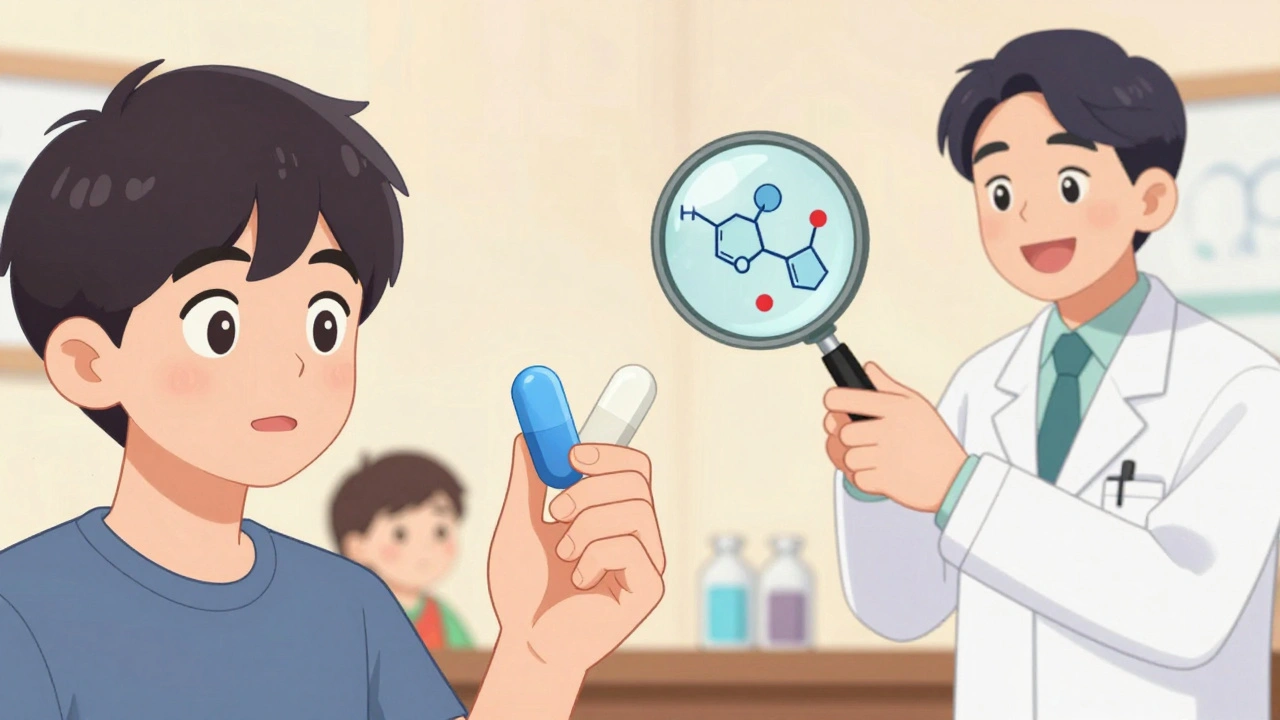
Addressing Patient Concerns About Generic Medications: Common Questions Answered
Generic medications are just as safe and effective as brand-name drugs, approved by the FDA with identical active ingredients. Learn the truth about cost, appearance, side effects, and when to stick with brand-name versions.
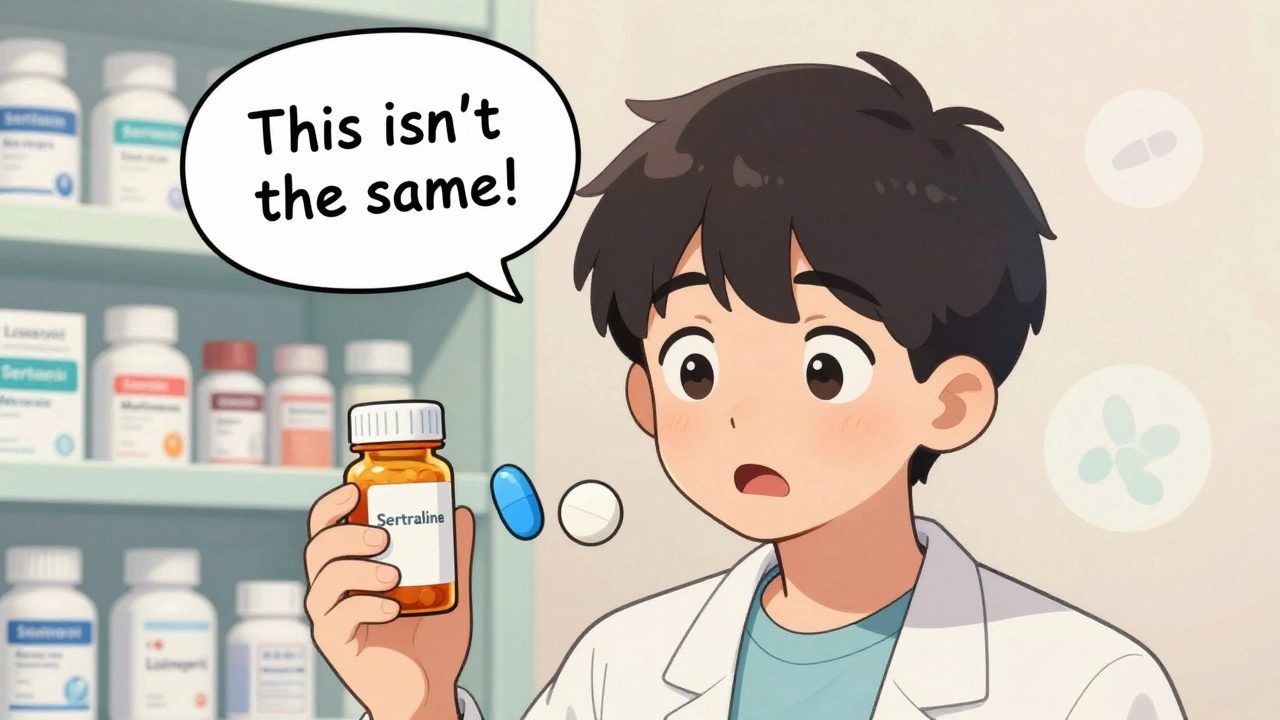
Generic Pill Appearance Changes: What You Need to Know About Safety, Legality, and Patient Risk
Generic pills can change color, shape, or size without affecting safety-but these changes cause many patients to stop taking their meds. Learn why it happens, what drugs are affected, and how to stay safe.