Generic vs Brand: What Really Matters When Choosing Medications
When you pick up a prescription, you might see two options: the generic drug, a medication with the same active ingredient as a brand-name drug but sold under its chemical name. Also known as non-branded medication, it's often cheaper and just as effective. Or you get the brand name drug, the original version developed by a pharmaceutical company and sold under a trademarked name. The big question isn’t whether one is better—it’s whether you’re getting the same result for less money.
Here’s the truth: generic vs brand isn’t about quality—it’s about timing and money. When a brand-name drug’s patent expires, other companies can make the same drug. They don’t have to redo the clinical trials. The FDA requires generics to have the same active ingredient, strength, dosage form, and route of administration. They must also be bioequivalent, meaning they deliver the same amount of medicine into your bloodstream at the same rate as the brand. That’s not a loophole. It’s the law. But here’s where it gets messy: inactive ingredients like fillers or dyes can differ. For most people, that doesn’t matter. But for someone on tacrolimus, cancer combo therapies, or systemic antifungals, even tiny variations can trigger side effects or reduce effectiveness. That’s why some hospitals and specialists stick to brand names for high-risk drugs—even when generics are available.
Price is the biggest driver. After the first generic enters the market, more follow. Prices drop fast—sometimes by 80% or more. That’s why drug pricing, the cost of medications influenced by patents, competition, and pharmacy benefit managers. becomes such a wild ride. But cheaper doesn’t always mean more available. Sometimes, when too many companies make the same generic, profits vanish. Manufacturers quit. And then you get shortages—like with calcium carbonate, hydroxyurea, or even azithromycin. So the cheapest option might not be the one in stock.
And then there’s the psychological side. Some people feel better on the brand. Maybe it’s the pill shape, the color, or just the comfort of familiarity. That’s real—even if it’s not science. But don’t assume your body needs the brand. Most of the time, generics work just fine. The real risk comes when you switch back and forth between brands and generics too often, especially with drugs like corticosteroids, statins, or heart rhythm meds. Your body adapts. Unpredictable changes in how the drug is absorbed can throw off your treatment.
So what should you do? Ask your pharmacist: Is this generic approved by the FDA? Is it the same as the one you’ve used before? If you notice new side effects after switching, tell your doctor. Don’t assume it’s all in your head. And if you’re on a complex regimen—like post-menopausal hormone therapy, asthma steroids, or pregnancy heartburn meds—don’t switch without checking first. The stakes are higher than you think.
Below, you’ll find real cases where people faced this choice—some saved hundreds, some had unexpected reactions, and some learned the hard way that not all generics are created equal. Whether you’re on a tight budget, managing chronic illness, or just trying to understand your prescription, these stories will help you make smarter calls.
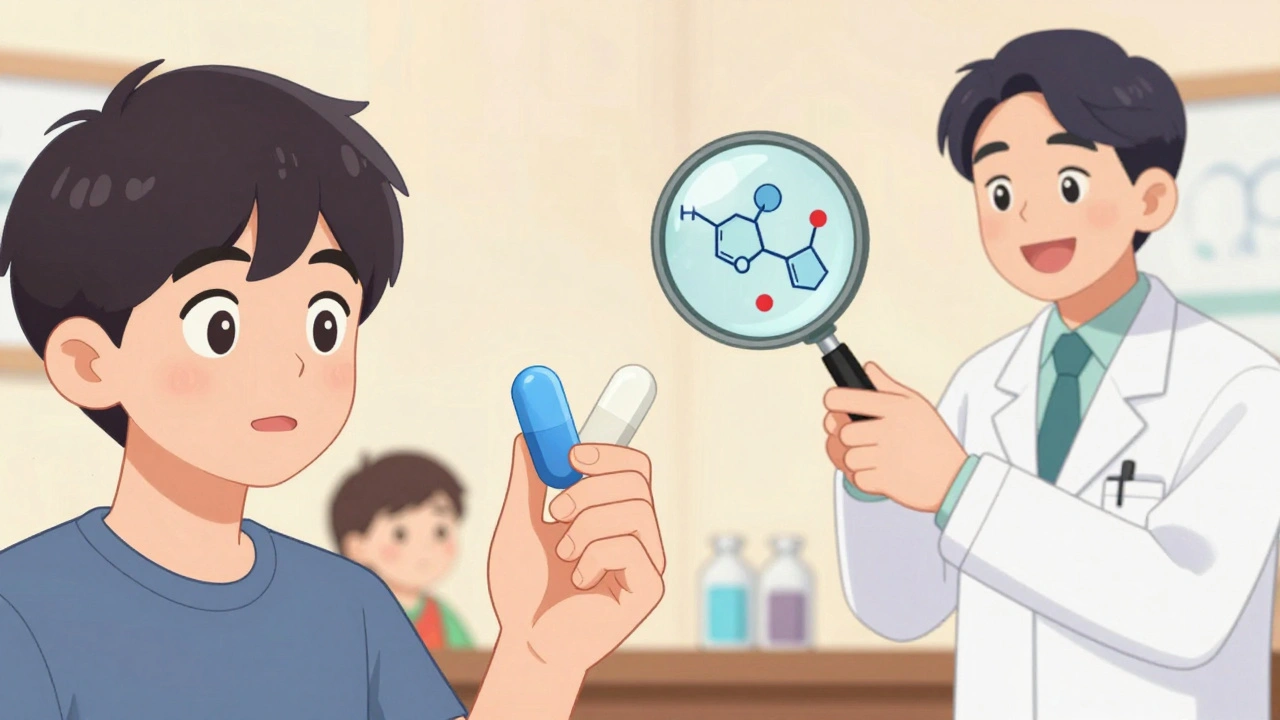
Addressing Patient Concerns About Generic Medications: Common Questions Answered
Generic medications are just as safe and effective as brand-name drugs, approved by the FDA with identical active ingredients. Learn the truth about cost, appearance, side effects, and when to stick with brand-name versions.

Infographics About Generics: Visual Education Tools for Patient Understanding
Infographics about generics help patients understand why generic drugs are safe, effective, and identical to brand-name versions. Learn how visual tools are reducing confusion, lowering costs, and improving medication adherence.