Nausea from Pain Meds: Causes, Fixes, and What to Do
When you take nausea from pain meds, a frequent side effect caused by drugs that affect the brain’s vomiting center and gut motility. Also known as drug-induced nausea, it’s not just discomfort—it can make you skip doses, delay healing, or even stop treatment altogether. This isn’t rare. Up to 70% of people on opioids like oxycodone or hydrocodone feel sick, especially when they start. But it’s not just opioids. NSAIDs like ibuprofen, even some muscle relaxants and antibiotics prescribed alongside pain meds, can trigger the same reaction. The problem isn’t you. It’s how these drugs interact with your body’s natural systems.
Why does this happen? Pain meds often stimulate the chemoreceptor trigger zone, a small area in the brainstem that detects toxins and signals vomiting. They also slow down your gut, which makes food sit longer and increases pressure that triggers nausea. Some people are more sensitive because of genetics, age, or other meds they’re taking. For example, if you’re on tacrolimus, an immunosuppressant that can cause nausea on its own, adding a painkiller might push you over the edge. Or if you’re recovering from surgery and already dealing with anesthesia effects, the combo can be brutal. It’s not just about the drug—it’s about your whole system.
You don’t have to live with it. There are practical, proven ways to reduce this side effect without ditching your pain control. Eating small, bland meals before taking your pill helps. Ginger supplements or tea have real data behind them for calming nausea. Anti-nausea meds like ondansetron or metoclopramide work fast and are often prescribed for this exact reason. Timing matters too—taking your pain med with food (not on an empty stomach) can cut nausea in half for many. And if you’re on opioids, your doctor might switch you to a different one like tramadol or tapentadol, which are less likely to cause stomach issues. Don’t assume this is just something you have to tolerate. It’s a solvable problem.
What you’ll find below are real, tested approaches from people who’ve been there—how to spot when nausea is a sign of something worse, which supplements actually help, and how to talk to your doctor about alternatives without sounding like you’re complaining. These aren’t generic tips. They’re from posts that dug into clinical data, patient logs, and pharmacy records to find what works. You’ll see how others managed nausea while staying on their meds, what didn’t work, and how to avoid common mistakes that make it worse. This isn’t about avoiding pain treatment. It’s about making it bearable.
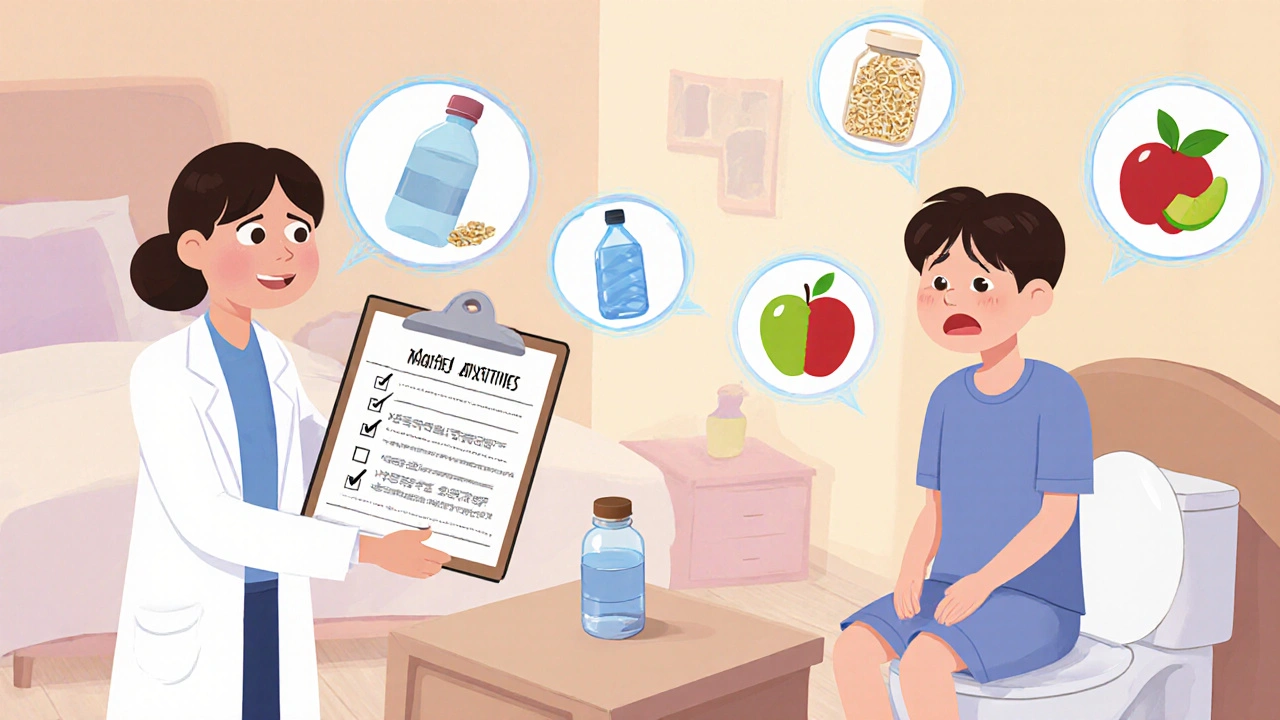
Common Opioid Side Effects: Constipation, Drowsiness, and Nausea
Opioids effectively manage severe pain but commonly cause constipation, drowsiness, and nausea. Learn why these side effects happen, how to manage them, and when to seek help for safer, more effective treatment.