One Health: Connecting Human, Animal, and Environmental Wellness
When we talk about One Health, a global approach that recognizes human health is tied to the health of animals and the environment. Also known as One Medicine, it’s not just a buzzword—it’s how real outbreaks get stopped before they become pandemics. Think about it: the last big flu scare didn’t start in a hospital. It started on a farm. The same antibiotics we give to chickens and cows are the ones we rely on when we get sick. If those drugs stop working because of overuse in agriculture, your next infection could become untreatable.
One Health isn’t just about diseases jumping from animals to people—it’s about the systems that make that possible. Zoonotic diseases, infections that spread between animals and humans like salmonella, Lyme disease, and even Ebola, are rising because we’re pushing deeper into wild spaces, changing how we raise food, and polluting the air and water we all share. Your doctor can’t fix your infection if the root cause is a contaminated river where livestock drink, or a market where live birds are sold next to fresh vegetables. That’s why veterinarians, environmental scientists, and public health workers now sit in the same meetings. They’re solving the same problem from different angles.
And it’s not just about outbreaks. Veterinary medicine, the branch of medicine focused on animal health is a frontline defense. When a vet spots a strange illness in a herd of cows, they’re not just protecting the animals—they’re warning hospitals that a new strain might be coming. Same with environmental health, how pollution, climate change, and land use affect living things. Rising temperatures let ticks and mosquitoes spread farther. That means more people get Lyme disease or West Nile virus, and more pets get infected too. It’s all connected.
You don’t need to be a scientist to act on One Health. When you choose meat from farms that don’t overuse antibiotics, you’re helping keep those drugs effective for your kids. When you clean up litter near a stream, you’re protecting the fish, the birds, and the people downstream. Even how you handle your pet’s meds matters—flushing pills down the toilet? That ends up in rivers. One Health isn’t about grand gestures. It’s about noticing the links between your choices and the world around you.
Below, you’ll find real-world examples of how One Health plays out in medicine, pharmacy, and daily life—from how antifungals affect both humans and livestock, to why a simple change in how we treat heartburn during pregnancy can ripple through the environment. These aren’t abstract ideas. They’re the quiet connections that keep communities safe—or break them apart.
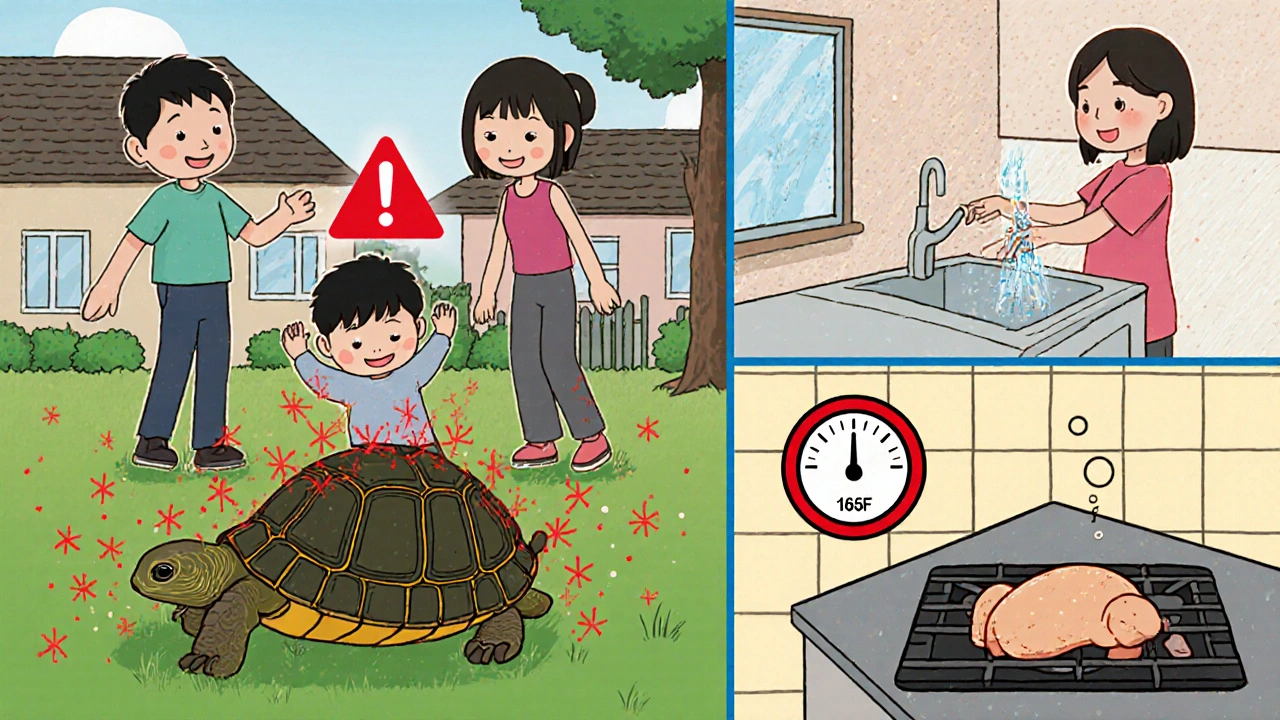
Zoonotic Diseases: How Animal-to-Human Infections Spread and How to Stop Them
Zoonotic diseases jump from animals to humans and cause millions of illnesses yearly. Learn how they spread, which ones are most common, and how to protect yourself and your family with simple, proven steps.