Opioid Side Effects: What You Need to Know About Risks and Management
When you take opioids, a class of powerful pain-relieving drugs that include oxycodone, hydrocodone, morphine, and fentanyl. Also known as narcotics, they work by binding to receptors in your brain and spinal cord to dull pain—but they also affect areas that control breathing, mood, and reward. That’s why even short-term use can lead to opioid side effects, common reactions like drowsiness, constipation, nausea, and dizziness. But it’s the more serious risks—slowed breathing, dependence, and overdose—that make these drugs dangerous if not used carefully.
Not everyone who takes opioids gets addicted, but opioid dependence, a physical state where your body adapts to the drug and needs it to function normally can develop in as little as a few weeks. Withdrawal symptoms like muscle aches, insomnia, anxiety, and vomiting can hit hard when you try to stop. And opioid withdrawal, the uncomfortable, sometimes severe reaction when opioid use is reduced or stopped is one reason people stay on the drug even when they don’t need it for pain. Meanwhile, opioid overdose, a medical emergency where breathing slows or stops completely is the leading cause of accidental death in many areas. It’s not just about street drugs—prescription opioids kill more people than heroin in the U.S. every year.
Managing pain without opioids is possible, and safer options exist for many conditions. Physical therapy, NSAIDs, nerve blocks, and even cognitive behavioral therapy can reduce reliance on these drugs. If you’re on opioids, talk to your doctor about tapering plans, naloxone access, and monitoring for signs of tolerance. You don’t have to suffer in silence—but you also don’t have to risk your life for temporary relief.
The posts below cover real cases and practical advice: how to spot early signs of trouble, what to do if someone overdoses, how to safely stop opioids, and which alternatives actually work. No theory. No fluff. Just what you need to stay safe.
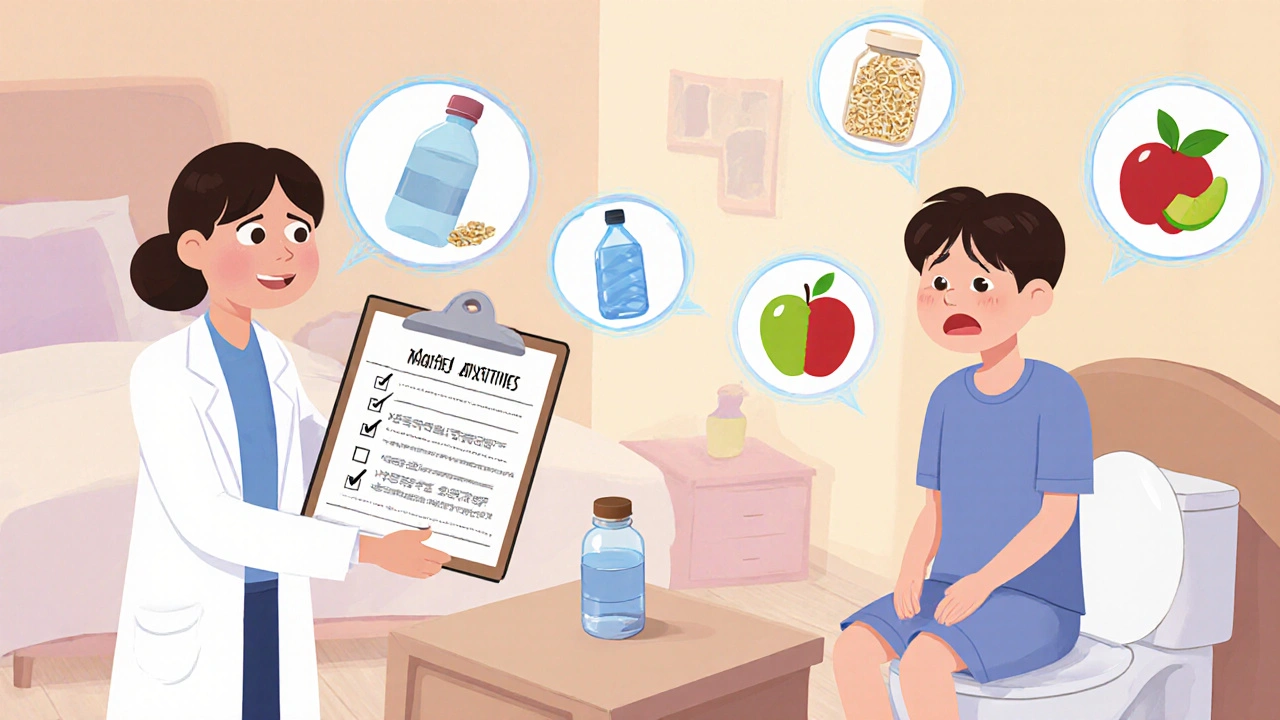
Common Opioid Side Effects: Constipation, Drowsiness, and Nausea
Opioids effectively manage severe pain but commonly cause constipation, drowsiness, and nausea. Learn why these side effects happen, how to manage them, and when to seek help for safer, more effective treatment.