Side Effect Monitoring: How to Track and Manage Medication Risks
When you take a new medication, side effect monitoring, the ongoing process of watching for unexpected or harmful reactions to drugs. Also known as adverse drug reaction tracking, it’s not just something doctors do—it’s something you need to do every day. Many people assume that if a drug is FDA-approved, it’s completely safe. But approval means the benefits outweigh the risks for most people—not that side effects don’t happen. In fact, over 2 million hospital visits each year in the U.S. are due to preventable drug reactions. The key isn’t avoiding meds—it’s knowing what to watch for and when to act.
Effective side effect monitoring, the ongoing process of watching for unexpected or harmful reactions to drugs. Also known as adverse drug reaction tracking, it’s not just something doctors do—it’s something you need to do every day. isn’t about panic. It’s about awareness. For example, if you’re on statins, you might notice muscle pain or unusual fatigue—those are signals, not just bad luck. If you’re using inhaled steroids for asthma, thrush or hoarseness could mean you’re not rinsing after use. These aren’t rare cases. They’re common enough that half of all patients stop their meds because they don’t understand what’s happening to their body. drug interactions, when two or more medications affect each other’s behavior in the body, often dangerously. Also known as medication conflicts, they’re behind many preventable emergencies. Take antifungals and statins: one can spike the other to toxic levels, causing muscle breakdown. Or warfarin and cranberry juice: a simple snack can turn a safe dose into a bleeding risk. These aren’t theoretical. They show up in real patient stories—and in FDA alerts.
FDA safety announcements, official warnings from the U.S. Food and Drug Administration about newly identified risks with approved medications. Also known as Drug Safety Communications, they’re meant to inform, not frighten. But most people don’t know how to read them. A headline saying "Possible link to liver injury" doesn’t mean you need to stop your pill. It means you should check for symptoms like yellowing skin, dark urine, or unexplained nausea. That’s where medication safety, the practice of using drugs correctly to avoid harm, including proper dosing, storage, and awareness of side effects. Also known as drug safety, it’s your personal health shield. comes in. You don’t need a medical degree—you need a notebook, a phone, and the willingness to ask: "Is this normal?"
What you’ll find below isn’t a list of scary side effects. It’s a collection of real-world guides that show you exactly how to spot trouble, what questions to ask your pharmacist, and how to respond before it turns into a crisis. From tracking tremors from tacrolimus to understanding why your generic pill changed color, these posts cut through the noise. You’ll learn how poison control lines work, how to read FDA alerts without panic, and how to build a simple checklist for food-drug risks you can keep on your fridge. This isn’t theory. It’s what works when your life depends on it.
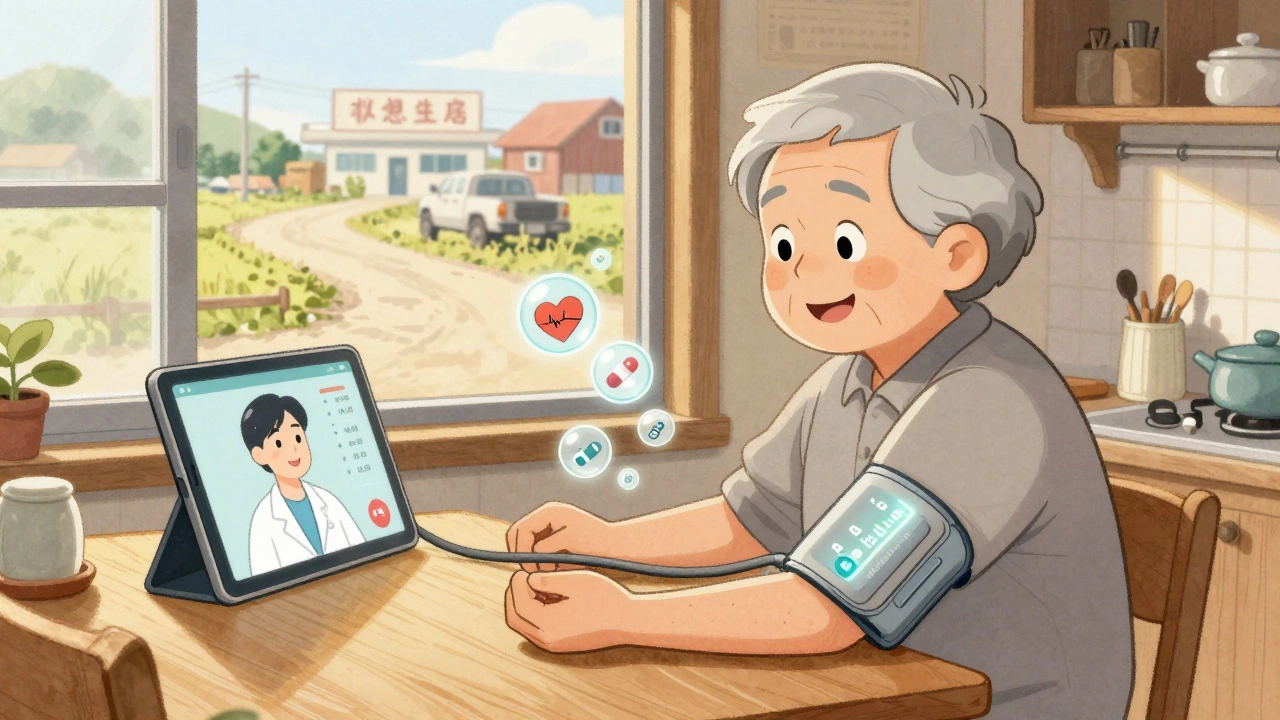
Telehealth Strategies for Monitoring Side Effects in Rural and Remote Patients
Telehealth is transforming how rural and remote patients manage medication side effects. From smart devices to pharmacist-led monitoring, discover how these strategies reduce hospitalizations and save lives in underserved areas.