Transplant Medication Risks: What You Need to Know About Rejection, Side Effects, and Long-Term Safety
When you get a new organ, your body sees it as an invader. That’s why transplant medication risks, the dangers and complications tied to drugs that prevent your immune system from attacking the new organ. Also known as immunosuppressants, these drugs are life-saving—but they come with serious trade-offs. Without them, your body will reject the transplant. With them, you’re at higher risk for infections, kidney damage, diabetes, and even certain cancers. It’s not a simple trade. It’s a daily balancing act.
Immunosuppressants, a class of drugs that weaken the immune response to protect transplanted organs. Also known as anti-rejection meds, they include common names like tacrolimus, cyclosporine, and mycophenolate. These aren’t one-size-fits-all. Your dose depends on your organ, your weight, your other meds, and even what you eat. Grapefruit juice? It can spike your drug levels to dangerous points. Antibiotics? They might make your tacrolimus climb too high. Even over-the-counter painkillers like ibuprofen can hurt your new kidney. These aren’t just side effects—they’re hidden traps.
Long-term use brings its own problems. Drug interactions, when two or more medications affect each other’s strength or safety in the body. Also known as medication clashes, they’re one of the top reasons transplant patients end up back in the hospital. A simple cold medicine could mess with your cyclosporine. A new antibiotic for a sinus infection might push your kidney function over the edge. That’s why keeping a full list of every pill, vitamin, and supplement you take isn’t optional—it’s your lifeline. Your pharmacist needs to know everything. Every time.
And then there’s the silent risk: organ rejection, when the immune system attacks the transplanted organ despite medication. Also known as acute or chronic rejection, it doesn’t always come with warning signs. You might feel fine, but your liver enzymes or creatinine levels could be climbing. That’s why regular blood tests aren’t just routine—they’re your early warning system. Skipping one could mean missing the chance to catch rejection before it causes permanent damage.
Transplant medication risks aren’t just about taking pills. They’re about understanding how your body reacts, how your meds talk to each other, and how your lifestyle choices—diet, alcohol, even stress—can tip the scale. You’re not just surviving. You’re managing a complex, living system inside you. The goal isn’t just to keep the organ alive. It’s to live well with it.
Below, you’ll find real-world guides on how to spot dangerous interactions, manage side effects without quitting your meds, and stay ahead of complications before they hit. These aren’t theory pieces. They’re tools from people who’ve been there—patients and doctors who know exactly what works when your body is on high alert.
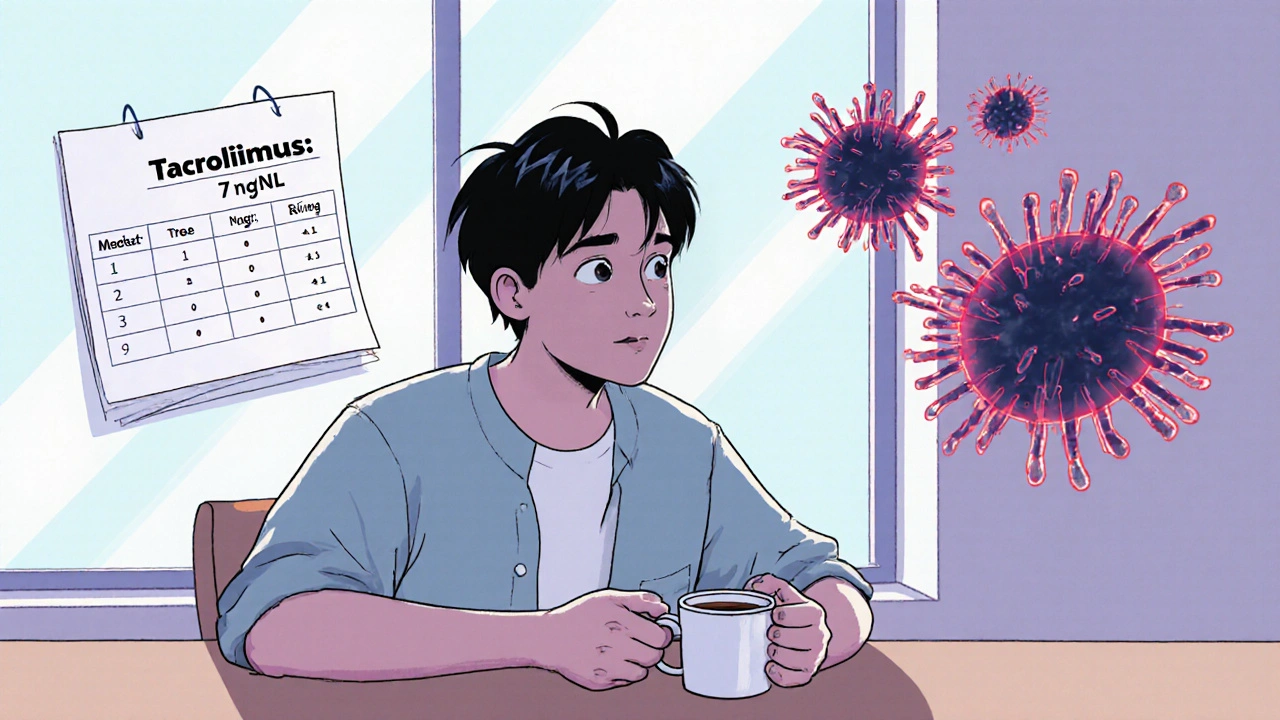
Tacrolimus Neurotoxicity: Understanding Tremor, Headache, and Blood Level Targets
Tacrolimus neurotoxicity causes tremor, headache, and brain fog in 20-40% of transplant patients-even when blood levels are normal. Learn how genetics, electrolytes, and drug interactions affect risk, and what you can do to manage it.