TSA Liquid Meds: What You Can Bring on a Plane and How to Avoid Problems
When you're flying with TSA liquid meds, medications in liquid form that you need to carry through airport security. Also known as travel medications, these are essential for managing chronic conditions, pain, or daily health needs. The good news? The TSA lets you bring all the liquid meds you need, even if they exceed the 3.4-ounce limit. But that doesn’t mean you can just toss them in your bag and hope for the best. How you pack them, how you declare them, and what documentation you have can make the difference between a smooth checkpoint and a long delay.
Many people assume TSA treats all liquids the same—whether it’s shampoo, lotion, or insulin. But prescription medications, drugs legally prescribed by a licensed provider get special treatment. Insulin, liquid antibiotics, liquid pain relievers, and even liquid vitamins with a doctor’s note are exempt from the standard quart-sized bag rule. You don’t need to put them in a zip-top bag, but you must tell the officer you have them. Don’t wait until they ask—say it upfront. It saves time and reduces stress. Also, keep your original prescription bottle. It’s not always required, but it helps speed things up when an officer needs to verify what’s inside. If you’re carrying something unusual, like liquid thyroid meds or compounded solutions, a letter from your doctor explaining why you need it can prevent questions.
Another thing people forget? medication storage, how you keep your drugs safe during travel, including temperature control and accessibility. If you need your meds cold—like insulin or some biologics—bring a small cooler with ice packs. TSA allows these, but you must declare them. No need to remove them from the cooler unless asked. And never check your meds in your luggage. Bags get lost. Delays happen. You need your meds with you, always. Also, don’t rely on airport pharmacies. They might not carry your brand, your dose, or even your country’s version of the drug.
Some travelers worry about being searched or questioned. The truth? Most officers have seen this before. They’re trained to handle medical exceptions. But if you’re nervous, practice what you’ll say: "I have liquid medication for [condition]. It’s prescribed. Here’s the bottle and my doctor’s note." Keep it simple. No need to over-explain. And if you’re flying internationally? Rules vary. The U.S. TSA lets you bring unlimited amounts, but other countries might not. Always check the destination country’s rules ahead of time.
You’ll find posts here that dig into how generic pills change shape or color and why that causes panic at home—but when you’re flying, it’s not about the pill’s look. It’s about the label, the prescription, and your right to carry what you need. You’ll also see advice on managing side effects like nausea from opioids or fatigue from mesalamine. Those matter on a long flight. If you’re on steroids or immunosuppressants, you’re more vulnerable to infections. Know how to pack extra doses. Know how to handle delays. This collection gives you real, tested strategies—not guesswork. Whether you’re traveling for work, family, or treatment, you deserve to move through security without fear. Let’s get you there safely.
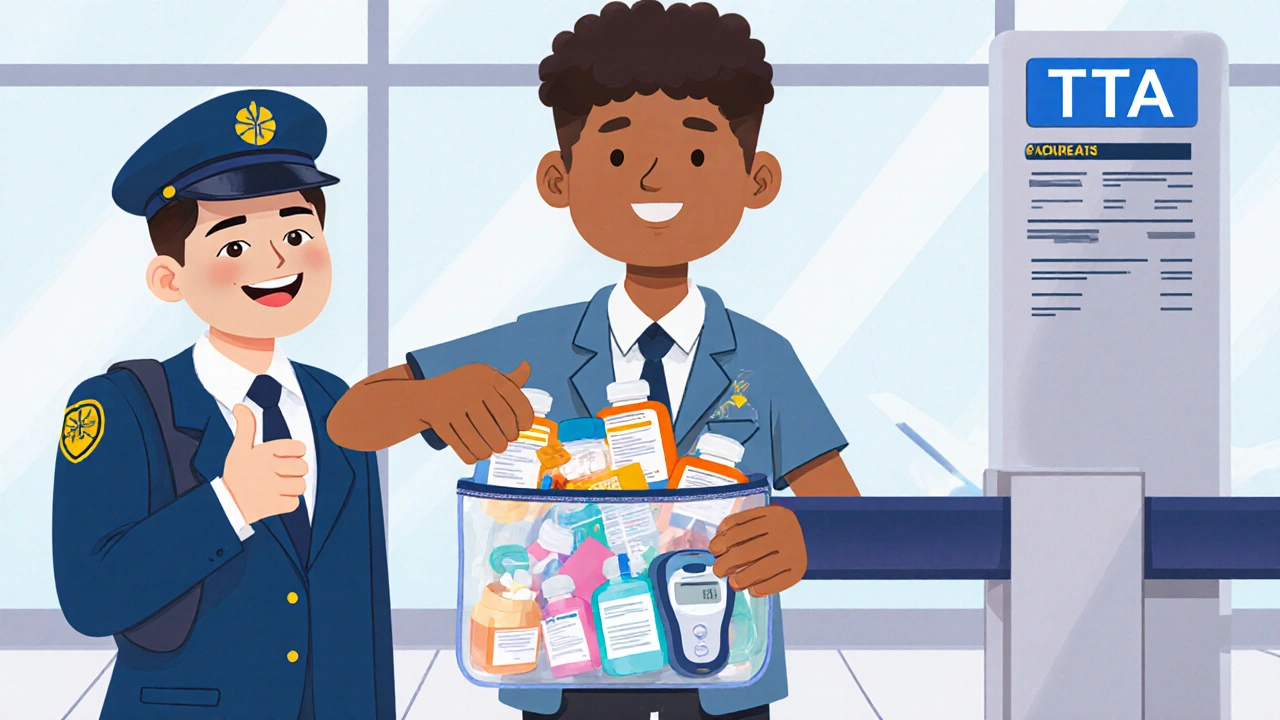
TSA Guidelines for Flying with Prescription Medications: What You Need to Know in 2025
Learn exactly how to fly with prescription medications in 2025 under TSA rules - including what’s allowed, what gets confiscated, and how to avoid delays at security. Essential for travelers with insulin, CBD, ADHD meds, or other prescriptions.