TSA Medication Rules: What You Can and Can't Bring on Planes
When you're flying, TSA medication rules, the guidelines set by the Transportation Security Administration for carrying drugs through U.S. airport security. Also known as air travel drug policies, these rules affect everyone—from people managing chronic conditions to those packing a few pills for a vacation. You don’t need to throw out your medicine just because you’re traveling. But if you don’t know the basics, you could end up delayed, questioned, or worse—left without your meds.
The TSA, the U.S. federal agency responsible for security in transportation, including airports. Also known as Transportation Security Administration, it allows all prescription and over-the-counter medications in both carry-on and checked bags. That includes pills, liquids, inhalers, injections, and even medical devices like glucose monitors. The key? You don’t need to declare them unless asked. But if you’re carrying more than a 30-day supply, or if your meds are in unlabeled containers, you might get pulled aside for a quick chat. No big deal—but it’s easier if you’re prepared.
Here’s what actually matters: liquid medications, any drug in liquid, gel, or spray form that exceeds the standard 3.4-ounce limit. Also known as travel-sized meds, they are exempt from the 3-1-1 rule. That means you can bring a 100ml bottle of insulin, a 4oz bottle of liquid antibiotics, or a full-sized bottle of liquid pain reliever. Just tell the officer at the checkpoint. No need to put it in a ziplock. Same goes for syringes and sharps—bring them, but keep them in their original packaging or a sharps container. No one wants to see a loose needle.
Don’t forget your prescription labels, the printed tags on medication bottles that show your name, drug name, and doctor’s info. Also known as medication ID tags, they aren’t legally required, but they make everything smoother. If your pills are in a pill organizer, bring the original bottle too. Or at least a copy of your prescription. A quick photo on your phone works in a pinch. And if you’re traveling internationally? Check the rules of your destination country—some places ban common U.S. meds like pseudoephedrine or certain painkillers.
Insulin, epinephrine pens, and other life-saving drugs? You’re covered. TSA lets you bring them in any quantity. Just keep them accessible. Don’t pack your EpiPen in your checked luggage. If you need it mid-flight, you’ll want it in your carry-on. Same with seizure meds, heart pills, or anything you take daily. If you’re unsure, bring a doctor’s note—even if it’s just a printout from your pharmacy. It doesn’t guarantee you won’t be asked, but it cuts through confusion fast.
And what about supplements? Vitamins, melatonin, CBD oil? They’re fine too. But if it’s a liquid CBD tincture, treat it like any other liquid—exempt from the 3-1-1 rule if it’s for medical use. If it’s a recreational product, you’re on your own. TSA doesn’t enforce federal drug laws, but they’ll flag anything that looks suspicious. Stick to the basics: labeled, reasonable amounts, and no suspicious packaging.
Bottom line: TSA medication rules are designed to help you, not hassle you. You’re not breaking any rules if you bring your meds. But knowing how to present them makes the process faster, calmer, and stress-free. Whether you’re flying for a weekend getaway or a long-term medical trip, having your meds organized and your info ready means you’ll walk through security with confidence.
Below, you’ll find real-world guides on managing meds during travel—from how to pack insulin safely to what to do if your pills change shape or your pharmacy gives you a new generic. These aren’t theoretical tips. They’re from people who’ve been stopped, questioned, or saved by knowing the rules.
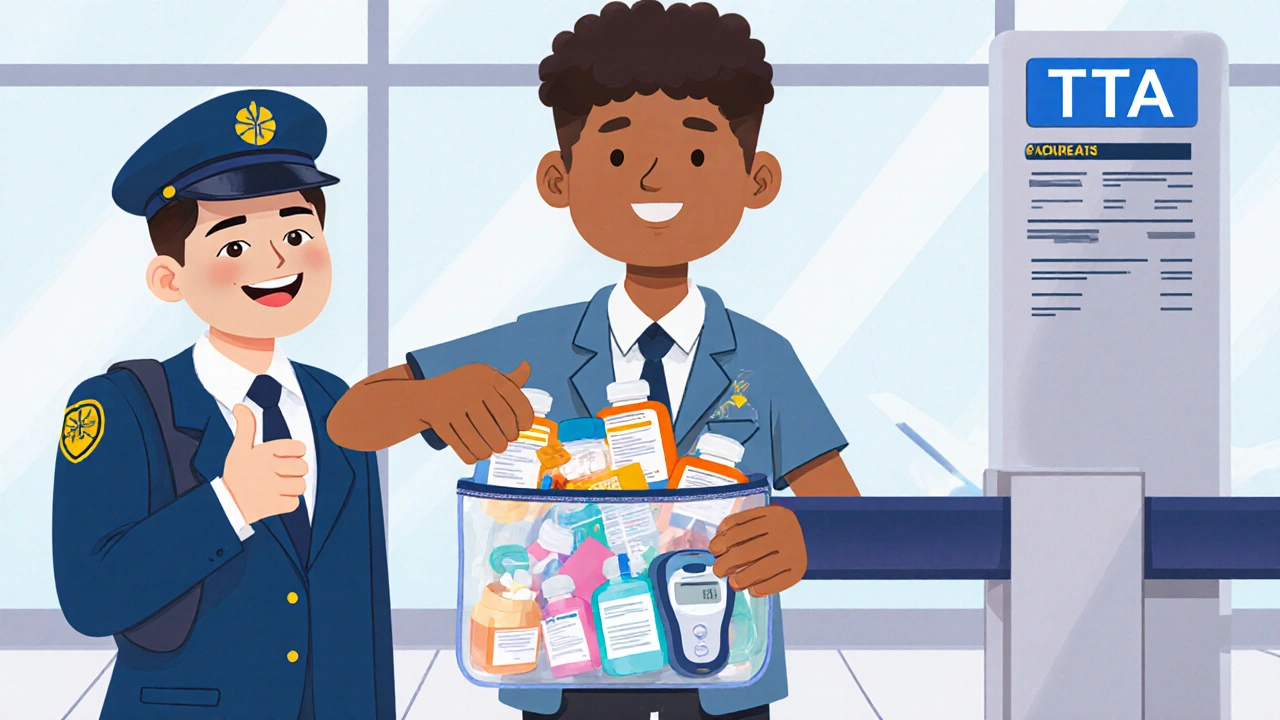
TSA Guidelines for Flying with Prescription Medications: What You Need to Know in 2025
Learn exactly how to fly with prescription medications in 2025 under TSA rules - including what’s allowed, what gets confiscated, and how to avoid delays at security. Essential for travelers with insulin, CBD, ADHD meds, or other prescriptions.