What to Report to Poison Control: Key Details That Save Lives
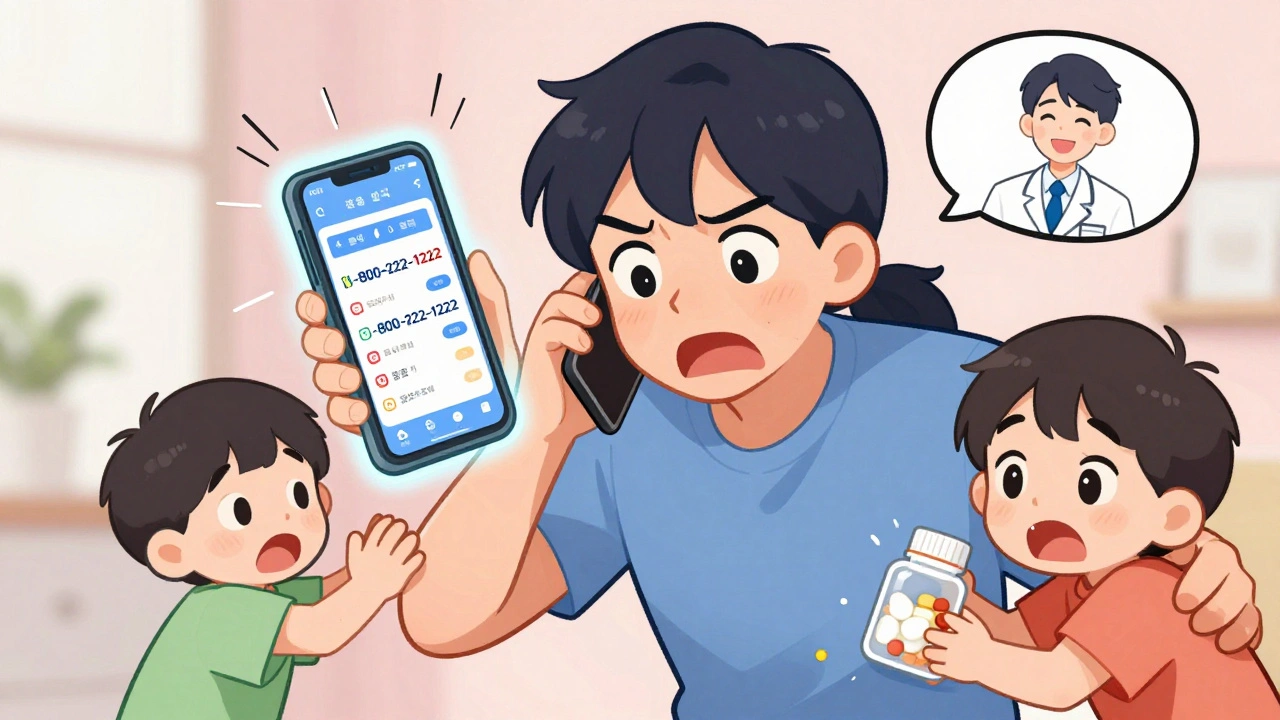
When something goes wrong—whether it’s a child swallowing pills, an adult misreading a label, or a spill of cleaning chemicals—you need to call poison control, a free, 24/7 emergency service that guides you through toxic exposures. Also known as toxicology hotline, it’s not just for kids. Adults make up nearly half of all calls, often from mixing medications or accidental overdoses. The right information can mean the difference between waiting it out at home and rushing to the ER.
What you report matters more than you think. Poison control doesn’t just need the name of the substance—they need the dosage, how much was taken, swallowed, inhaled, or touched, the time, when the exposure happened, and the symptoms, like vomiting, drowsiness, or skin redness. If it’s a medication, have the bottle ready. Don’t guess the strength—read the label out loud. If it’s a cleaning product, say the exact brand and ingredient list if you can. Vague answers like "I think it was something in the cabinet" delay life-saving advice.
Many people delay calling because they’re afraid of being blamed. But poison control isn’t there to judge—they’re trained to handle every scenario, from a toddler chewing on a battery to an elderly person mixing blood thinners with herbal supplements. They’ve seen it all. And if you’re unsure whether it’s serious, call anyway. A 2023 study in the Journal of Medical Toxicology found that 68% of calls that seemed "not that bad" turned out to need urgent intervention because symptoms didn’t show up right away.
Don’t wait for symptoms. Don’t try to make someone throw up unless they tell you to. Don’t search online first. The clock starts the moment exposure happens. Poison control gives you step-by-step instructions based on real-time data from their toxicology databases. They know which drugs interact dangerously, which chemicals cause delayed organ damage, and what home remedies actually help—or hurt.
In the posts below, you’ll find real-world cases where people misjudged what was dangerous—like confusing a harmless pill change with a counterfeit, or thinking a natural supplement couldn’t cause harm. You’ll see how medication errors, chemical exposures, and even pet-related poisonings are handled. These aren’t hypotheticals. They’re stories from people who called poison control, got the right advice, and avoided disaster. What you learn here isn’t just useful—it could keep you or someone you love alive.
Poison Control Hotline: How It Works and What to Report About Medications
Learn how the poison control hotline works, what details to report about medications, and why calling 1-800-222-1222 can prevent ER visits and save lives. Free, expert help 24/7.