Medication Safety and Travel Rules in November 2025: What You Need to Know
When it comes to medication safety, the practice of using drugs correctly to avoid harm, errors, and dangerous reactions. Also known as drug safety, it’s not just about taking pills as directed—it’s about understanding how your body reacts, what other drugs or foods interfere, and how to spot warning signs before it’s too late. In November 2025, the focus wasn’t on new breakthroughs but on real, everyday risks people face: a traveler with insulin getting stopped at security, a post-menopausal woman juggling five prescriptions, or someone on statins suddenly feeling more tired than usual. These aren’t edge cases—they’re common situations that happen because the system doesn’t always make safety obvious.
TSA medication rules, the federal guidelines for carrying prescription drugs on planes. Also known as air travel drug policies, they changed slightly in 2025 to clarify what counts as a liquid, how to prove a prescription is yours, and why CBD oil still causes confusion even though it’s legal in many states. Meanwhile, generic drugs, lower-cost versions of brand-name medications that must meet the same FDA standards. Also known as brand equivalents, they saved billions—but also introduced new risks when multiple generics entered the market at once, causing shortages and unpredictable effects in cancer combo therapies. And then there’s drug interactions, when two or more medications (or food and meds) change each other’s effects, sometimes dangerously. Also known as medication clashes, they’re behind half of all hospital admissions from pills—like antifungals boosting statin levels until muscles start breaking down, or heartburn meds messing with calcium absorption in older adults. These aren’t theoretical. People are getting sick because they didn’t know their grapefruit juice could turn a cholesterol pill into a hazard.
What you’ll find here isn’t a list of random articles—it’s a collection of real, actionable fixes. You’ll learn how to spot a labeling error in your compounded prescription, why your calcium supplement might be useless, and how to build a simple checklist to avoid deadly food-drug reactions at home. You’ll see how visual tools like infographics help patients understand why generics are safe, and how transplant patients manage tremors from tacrolimus even when blood levels look fine. This isn’t theory. It’s what people actually need to stay safe while traveling, aging, managing chronic illness, or just trying to take their pills without making things worse.
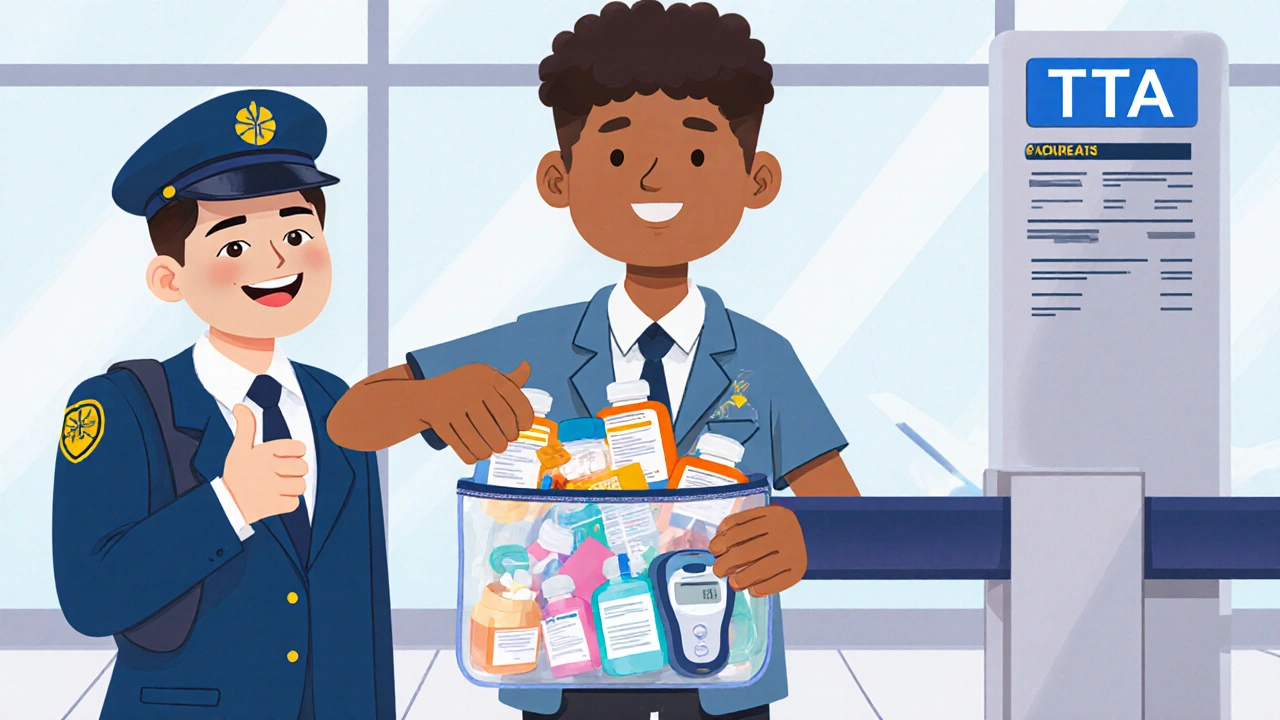
TSA Guidelines for Flying with Prescription Medications: What You Need to Know in 2025
Learn exactly how to fly with prescription medications in 2025 under TSA rules - including what’s allowed, what gets confiscated, and how to avoid delays at security. Essential for travelers with insulin, CBD, ADHD meds, or other prescriptions.

Post-Menopausal Women and Medication Changes: Safety Considerations
Post-menopausal women face unique medication risks due to hormonal shifts, polypharmacy, and age-related changes. Learn how to safely manage hormone therapy, avoid dangerous drug interactions, and reduce medication errors with practical, evidence-based strategies.
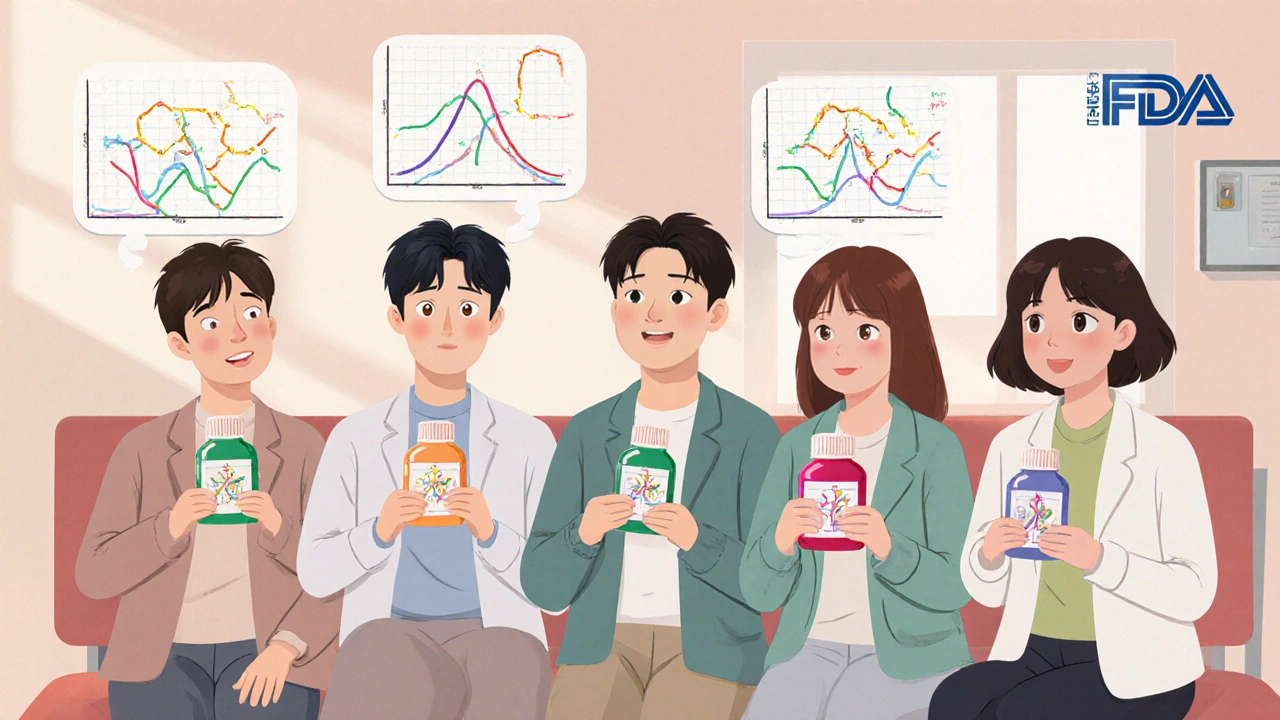
Infographics About Generics: Visual Education Tools for Patient Understanding
Infographics about generics help patients understand why generic drugs are safe, effective, and identical to brand-name versions. Learn how visual tools are reducing confusion, lowering costs, and improving medication adherence.
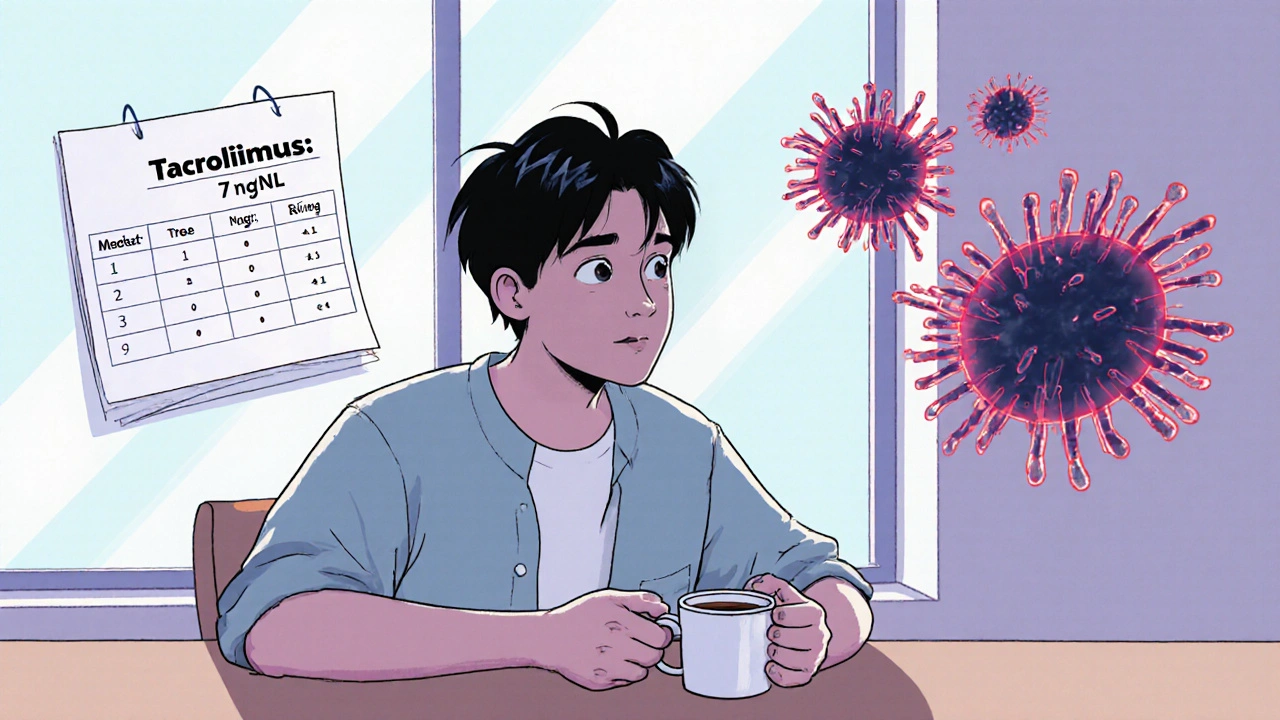
Tacrolimus Neurotoxicity: Understanding Tremor, Headache, and Blood Level Targets
Tacrolimus neurotoxicity causes tremor, headache, and brain fog in 20-40% of transplant patients-even when blood levels are normal. Learn how genetics, electrolytes, and drug interactions affect risk, and what you can do to manage it.
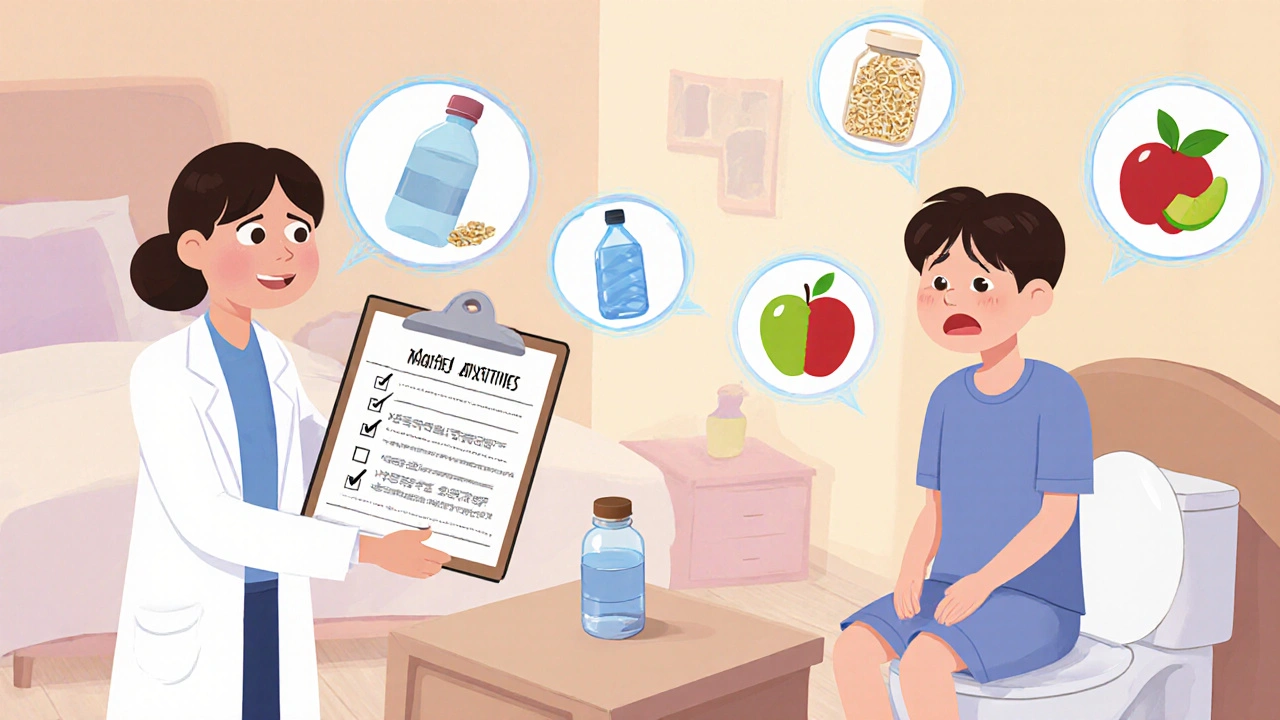
Common Opioid Side Effects: Constipation, Drowsiness, and Nausea
Opioids effectively manage severe pain but commonly cause constipation, drowsiness, and nausea. Learn why these side effects happen, how to manage them, and when to seek help for safer, more effective treatment.
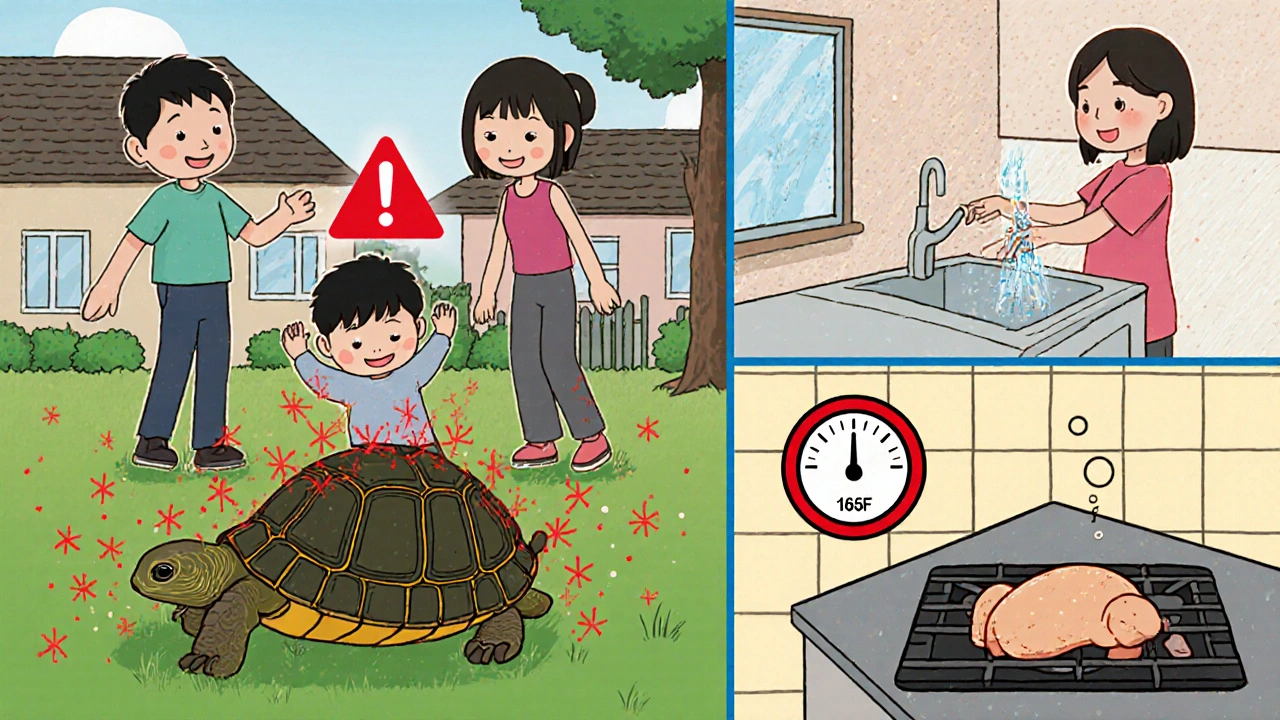
Zoonotic Diseases: How Animal-to-Human Infections Spread and How to Stop Them
Zoonotic diseases jump from animals to humans and cause millions of illnesses yearly. Learn how they spread, which ones are most common, and how to protect yourself and your family with simple, proven steps.
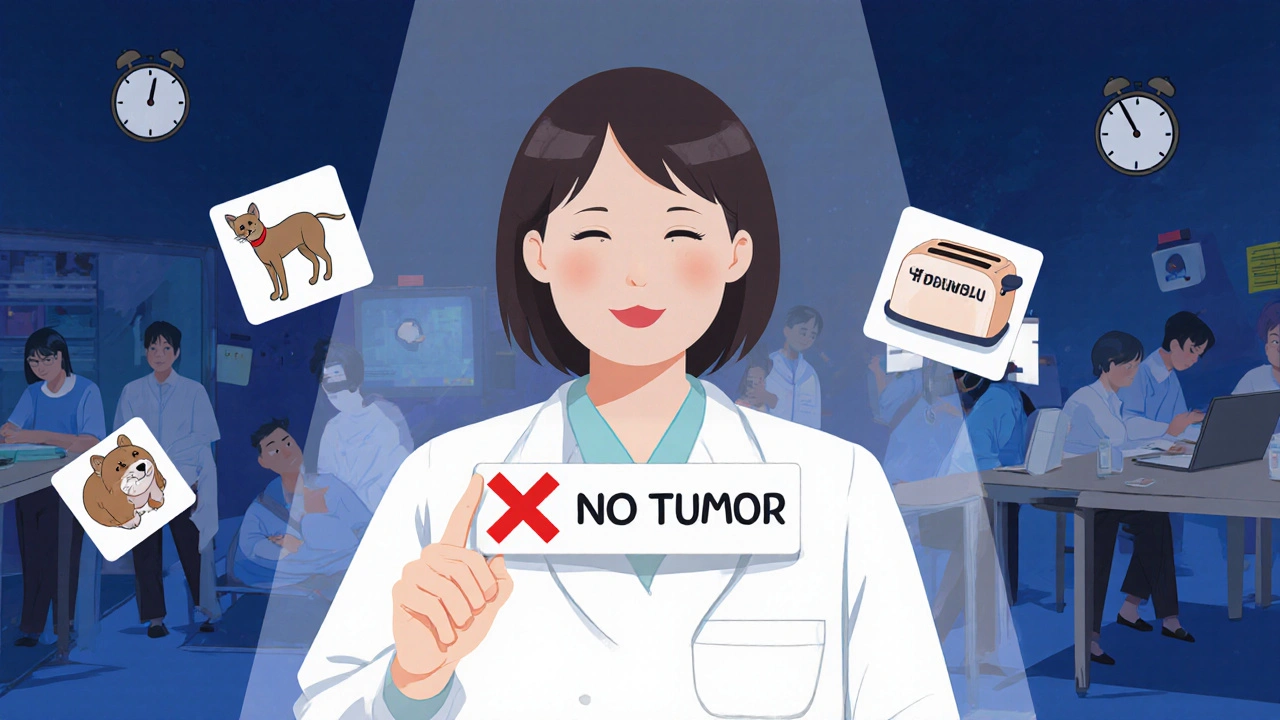
How to Recognize Labeling Errors and Ask for Corrections in Machine Learning Datasets
Learn how to spot and fix labeling errors in machine learning datasets to improve model accuracy. Discover common error types, tools like cleanlab and Argilla, and how to ask for corrections effectively.

Palliative and Hospice Care: How to Balance Symptom Relief with Minimal Side Effects
Learn how palliative and hospice care balance pain relief with minimal side effects. Discover practical strategies for managing symptoms like breathlessness, delirium, and nausea while preserving dignity and quality of life.

Multiple Generics: How Competitors Enter After the First Generic Market Entrant
After the first generic enters the market, a wave of competitors follows, causing prices to plummet. Learn how patent rules, authorized generics, and PBM contracts shape the race to the bottom-and why shortages follow.
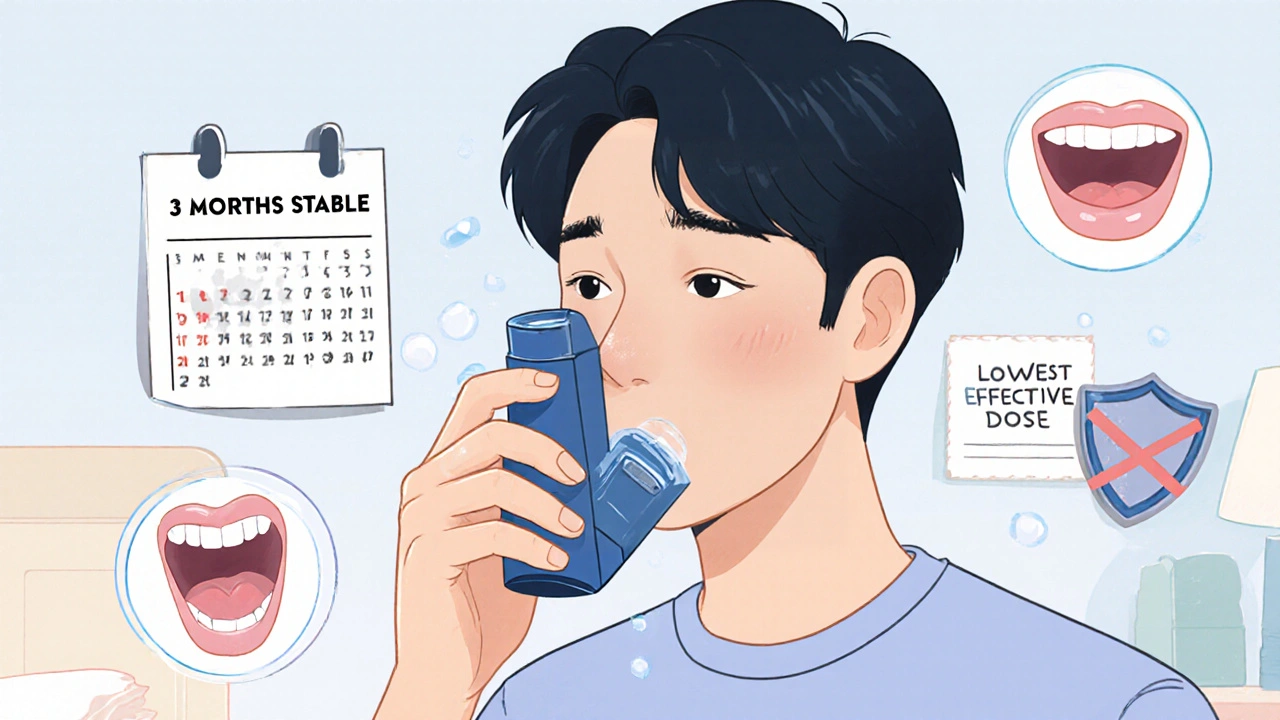
Asthma Steroid Side Effects: How to Reduce Risks and Monitor Your Health
Learn how to minimize side effects from asthma steroid inhalers like thrush, hoarseness, and bone thinning. Discover proven strategies for dose reduction, proper technique, and safer alternatives.