Animal-to-Human Transmission: How Diseases Jump Species and What You Need to Know
When a disease moves from animals to humans, it’s called animal-to-human transmission, the process by which pathogens like viruses, bacteria, or parasites spread from non-human animals to people. Also known as zoonotic spillover, this is how many of the deadliest outbreaks in history started—like Ebola, HIV, and COVID-19. It’s not science fiction. It’s happening right now, in farms, wet markets, forests, and even your backyard.
These jumps don’t happen by accident. They’re tied to how we live with animals. Deforestation pushes wildlife into human spaces. Factory farming crowds animals together, creating perfect breeding grounds for mutations. Travel and trade move infected animals—or their ticks, mosquitoes, or droppings—across continents. The zoonotic diseases, infections that originate in animals and can infect humans don’t care about borders. They thrive where human activity overlaps with nature.
Some of the most dangerous ones show up in places you’d least expect. A bat in a cave can carry a virus that ends up in a pangolin, then in a market stall, then in a person who never left their city. A cow with a harmless bacteria can pass a drug-resistant strain to a farmer through raw milk. A pet dog with fleas can bring ticks into your home that carry Lyme disease. These aren’t rare events—they’re predictable outcomes of our choices.
Public health systems track these threats, but they’re always playing catch-up. The real power lies in knowing what to watch for. Fever after handling livestock. A rash after a tick bite. Diarrhea after eating undercooked meat from a wild animal. These aren’t just symptoms—they’re warning signs. And when you understand how pandemic risks, the likelihood of a disease spreading widely across populations after jumping from animals build, you start seeing the connections: how antibiotic overuse in farms leads to superbugs, how wildlife trade fuels silent outbreaks, how climate change expands the range of disease-carrying insects.
The posts below don’t just talk about drugs or side effects—they show you how animal-to-human transmission shapes the medicines we use, the warnings we get, and the safety rules that keep us alive. You’ll find guides on how antifungals interact with other drugs after a zoonotic infection, how steroid treatments are adjusted in outbreak scenarios, and why pharmacy safety protocols changed after a hospital outbreak tied to contaminated animal products. These aren’t random topics. They’re all linked by one truth: when animals get sick, humans pay the price. And knowing how that happens is the first step in stopping it.
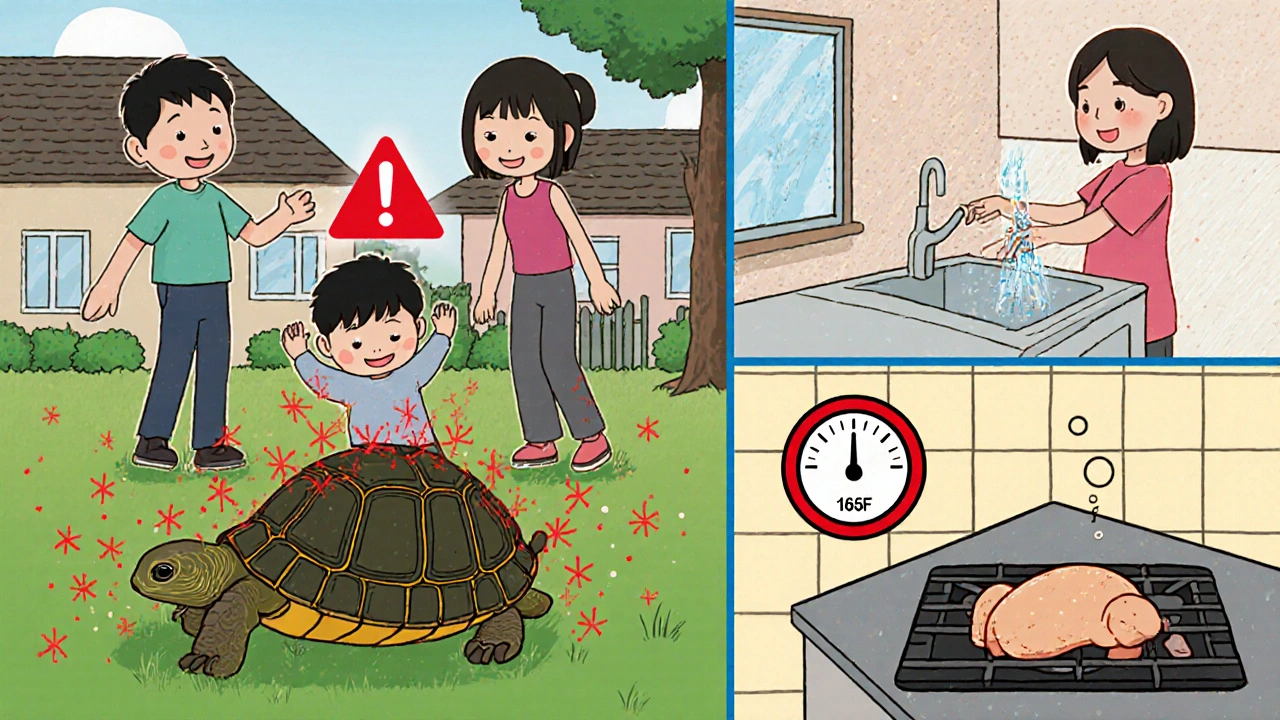
Zoonotic Diseases: How Animal-to-Human Infections Spread and How to Stop Them
Zoonotic diseases jump from animals to humans and cause millions of illnesses yearly. Learn how they spread, which ones are most common, and how to protect yourself and your family with simple, proven steps.