Generic Drugs: What They Are, How They Work, and Why They Matter
When you hear generic drugs, lower-cost versions of brand-name medications that contain the same active ingredients and work the same way in the body. Also known as generic medications, they’re the backbone of affordable healthcare in the U.S. and around the world. But here’s the thing—just because they’re cheaper doesn’t mean they’re less effective. The FDA, the U.S. agency that regulates drugs, food, and medical devices to ensure safety and effectiveness. Also known as Food and Drug Administration, it requires every generic to match the brand-name drug in strength, dosage, safety, and how fast it works. That’s not a suggestion—it’s the law. And yet, people still worry. Is the generic from that little-known manufacturer really the same? Can swapping between different generics cause problems? The answers aren’t always simple.
Bioequivalence, the scientific standard proving a generic drug performs the same as the brand-name version in the body. Also known as therapeutic equivalence, it is the key. For most drugs, it’s a straightforward process: the generic must deliver the same amount of active ingredient into the bloodstream at the same rate. But for drugs with narrow therapeutic windows—like blood thinners, seizure meds, or cancer treatments—that tiny difference in absorption can matter. That’s why switching generics in cancer therapy or heart rhythm drugs isn’t always a free pass. And when multiple generics enter the market after the first one, prices drop fast—but so does profit for manufacturers. That’s when shortages start. You’ll see it in posts about Hatch-Waxman Act, the 1984 law that created the modern pathway for generic drug approval and market exclusivity. Also known as Drug Price Competition and Patent Term Restoration Act, it and why the first generic gets 180 days of exclusive sales before others jump in.
What you won’t find in the label is the real-world mess: pharmacies switching generics without telling you, insurance plans pushing the cheapest option even if it causes side effects, or patients getting confused when the pill changes color. That’s why people on statins, immunosuppressants, or thyroid meds often report feeling different after a switch—even if the science says it shouldn’t happen. The truth? For most people, generics work just fine. But for others, especially those managing complex conditions, the difference between one manufacturer’s version and another can be real. That’s why knowing your options, asking questions, and tracking how you feel after a switch matters more than ever.
Below, you’ll find real cases—like how generic cancer combos can throw off treatment, why the first generic on the market triggers a price collapse, and how to spot when a generic might not be right for you. No fluff. No marketing. Just what happens when money meets medicine.
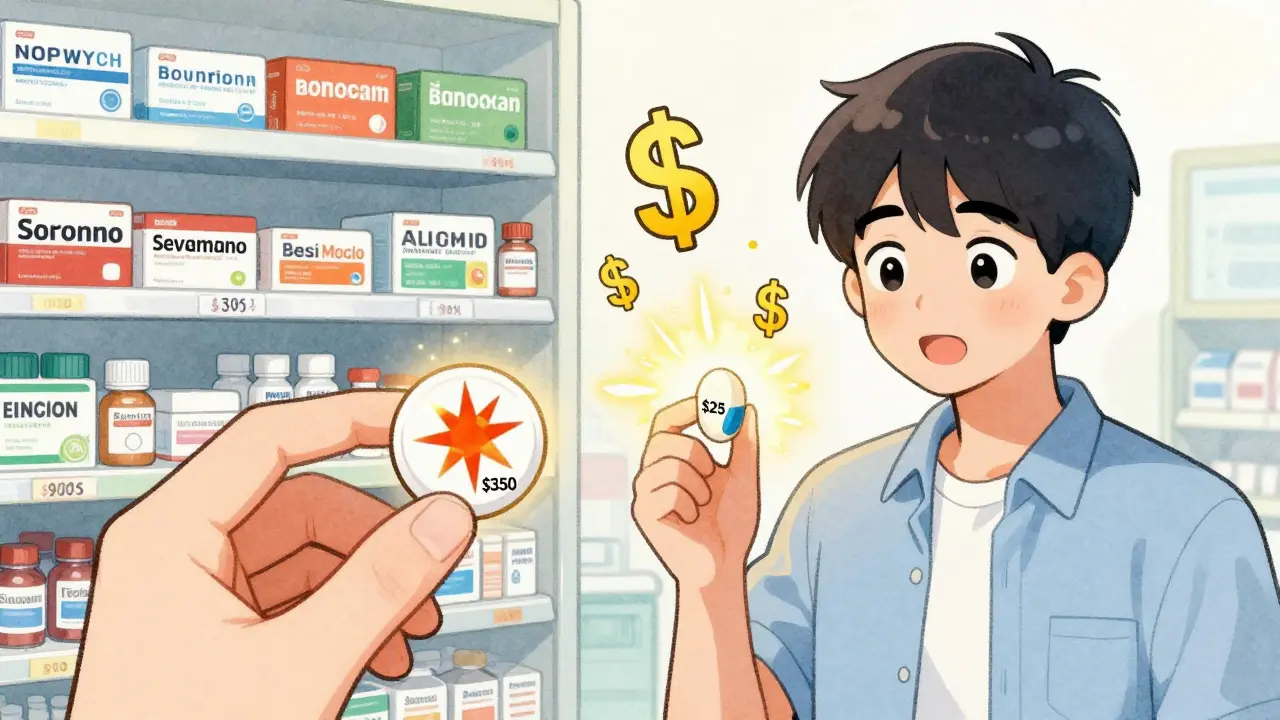
How Generics Control Healthcare Drug Spending in the U.S.
Generics make up 90% of U.S. prescriptions but only 12% of drug spending, saving billions annually. Learn how they work, why they're underused, and how they're the most powerful tool for controlling healthcare costs.
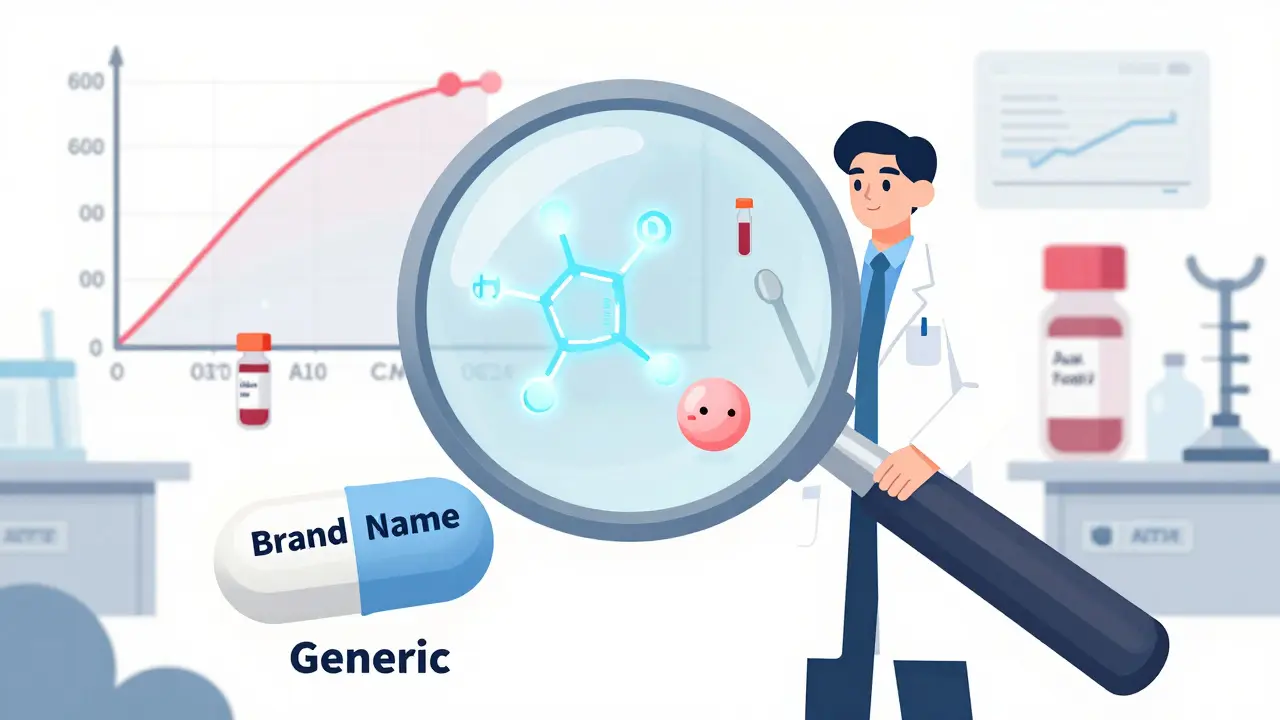
How the FDA Ensures Generic Drugs Work the Same as Brand Names
The FDA ensures generic drugs work the same as brand names through strict bioequivalence testing, identical active ingredients, and the same manufacturing standards. Over 90% of U.S. prescriptions use generics, saving billions annually.
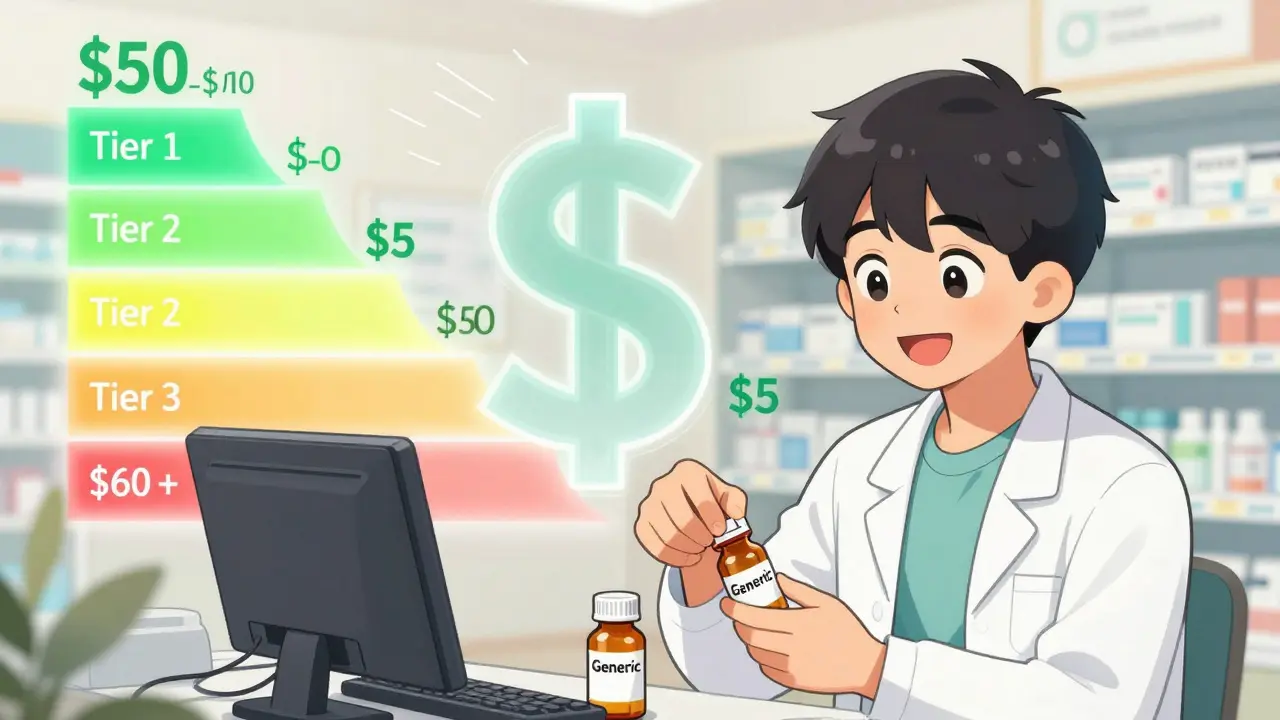
Insurance Benefit Design: How Health Plans Use Generics to Cut Costs
Health plans use tiered formularies, mandatory substitution, and step therapy to steer patients toward generic drugs, saving billions annually. But hidden PBM pricing practices often prevent patients from seeing the full savings.
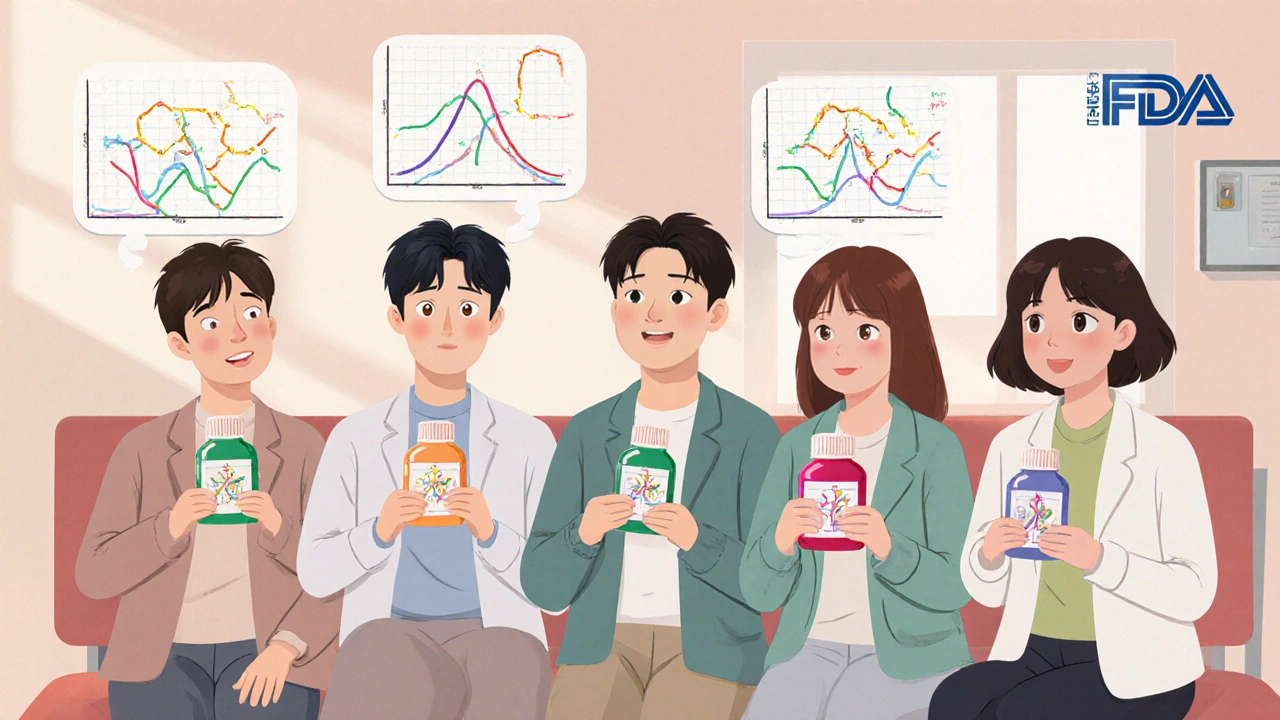
Infographics About Generics: Visual Education Tools for Patient Understanding
Infographics about generics help patients understand why generic drugs are safe, effective, and identical to brand-name versions. Learn how visual tools are reducing confusion, lowering costs, and improving medication adherence.