Therapeutic Equivalence: What It Means and Why It Matters for Your Medications
When you pick up a prescription and see a different-looking pill than last time, it’s not a mistake—it’s likely therapeutic equivalence, a regulatory standard that confirms a generic drug performs the same way in the body as its brand-name counterpart. Also known as bioequivalence, it’s the invisible guarantee that your generic lisinopril, metformin, or sertraline will do the same job as the brand, even if it’s cheaper, smaller, or a different color. This isn’t just a pharmacy detail—it’s a core part of how the U.S. healthcare system keeps costs down without sacrificing safety.
The FDA, the federal agency that approves and monitors all drugs sold in the U.S. sets strict rules for therapeutic equivalence. A generic must deliver the same amount of active ingredient into your bloodstream at the same rate as the brand. It’s not about looks, fillers, or packaging—it’s about what your body actually absorbs. That’s why a blue generic pill and a red brand-name one can be interchangeable, even if they look nothing alike. But here’s the catch: therapeutic equivalence doesn’t automatically mean every substitution is safe. When you’re on a combo therapy like cancer drugs or immunosuppressants, swapping even one component can throw off the whole balance. That’s why bioequivalence, the scientific proof behind therapeutic equivalence gets extra scrutiny in oncology and transplant medicine.
Therapeutic equivalence is why you can save hundreds a month on generics—but it’s also why so many people panic when their pill changes shape or color. The FDA says it’s safe. Your pharmacist says it’s the same drug. But your brain remembers the old pill, and suddenly, you’re worried it’s not working. That’s where patient education comes in. Infographics, clear labeling, and knowing how to ask your pharmacist about the drug substitution, the process of switching between brand and generic or between different generics can turn confusion into confidence. It’s not magic—it’s science, regulation, and communication working together.
What you’ll find below are real stories and facts about how therapeutic equivalence plays out in everyday life: why generic cancer drugs need extra caution, how pill appearance changes trigger missed doses, why some people react differently to generics even when they’re technically equivalent, and how the FDA tracks these issues after approval. These aren’t theory pieces—they’re about what happens when a $200 brand-name pill becomes a $5 generic, and what that means for your health, your wallet, and your peace of mind.
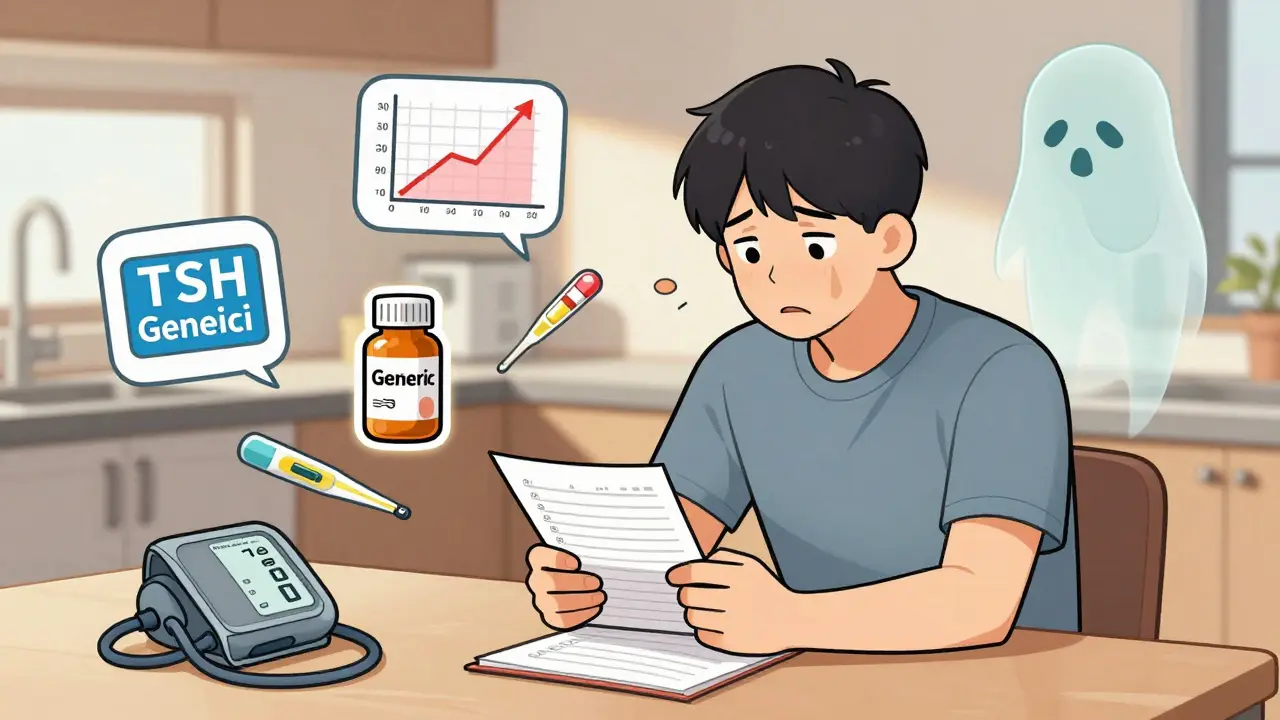
How to Track Medication Effectiveness After a Generic Switch
After switching to a generic medication, track lab results, symptoms, and refill patterns to catch effectiveness issues early. Certain drugs-like warfarin and levothyroxine-require close monitoring due to narrow therapeutic windows.
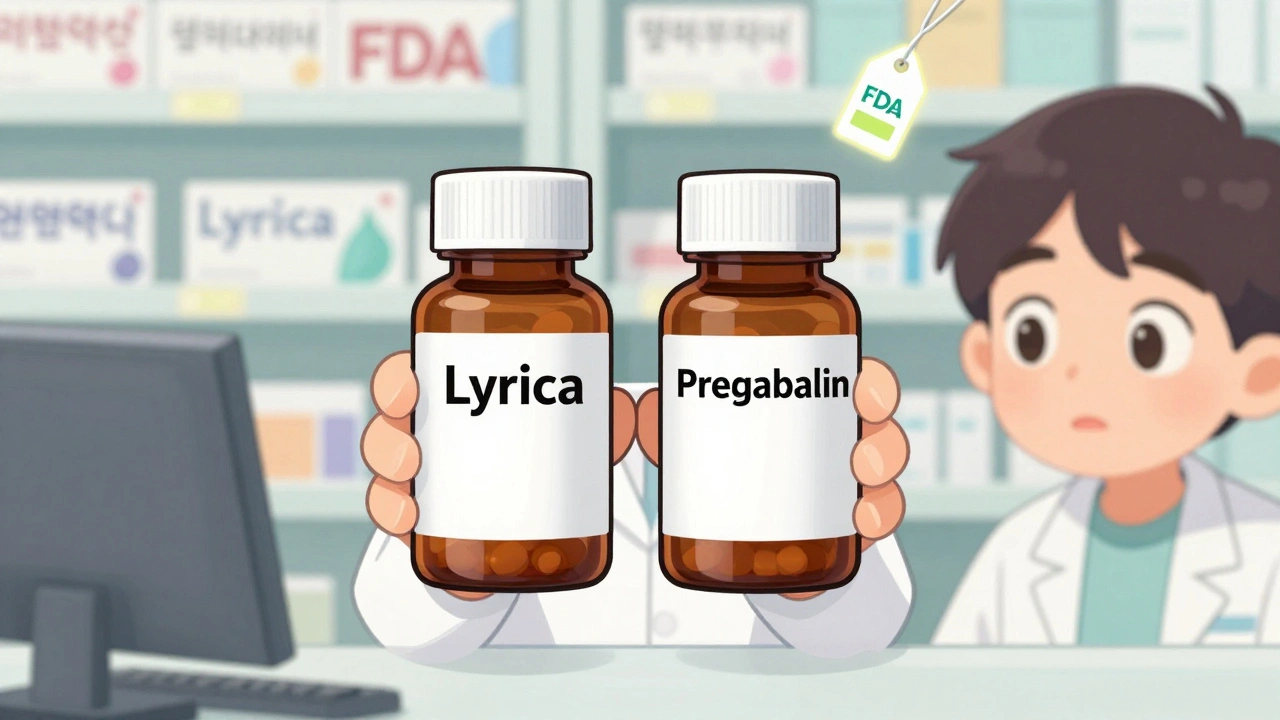
Recent Authorized Generic Approvals: Current Options and Market Trends
Authorized generics are exact copies of brand-name drugs, made by the same company. In 2025, their approvals have dropped sharply due to FTC crackdowns and a shift toward biosimilars. Learn which ones are available and how to identify them.