Zoonosis Prevention: How to Stop Animal Diseases from Spreading to Humans
When you pet your dog, handle livestock, or even clean out a birdcage, you’re exposed to zoonosis, infectious diseases that spread from animals to humans. Also known as zoonotic diseases, these can come from pets, wildlife, farm animals, or even insects like ticks and mosquitoes. The good news? Most are preventable with simple, everyday actions. You don’t need a degree in epidemiology to protect yourself—just awareness and smart habits.
Zoonosis prevention isn’t just about avoiding sick animals. It’s about understanding how these diseases move. Rabies, a deadly virus spread through bites from infected mammals, is rare in the U.S. thanks to pet vaccines—but still common in other countries. Salmonella, a bacteria often carried by reptiles, chicks, and contaminated eggs, causes thousands of illnesses each year, mostly from poor handwashing after handling animals. Then there’s Lyme disease, transmitted by ticks that feed on deer and mice, which spikes in spring and summer. These aren’t distant threats—they’re real, documented risks that show up in homes, backyards, and farms.
What ties these together? They all rely on human behavior. Not washing hands after cleaning a litter box. Letting kids kiss pet turtles. Skipping flea and tick meds on your dog. Not cooking ground meat hot enough. These aren’t mistakes made by careless people—they’re gaps in knowledge. The good part? Fixing them doesn’t require expensive gear or complicated plans. It’s about routine: wash your hands after touching animals, cook meat properly, use insect repellent outdoors, and keep your pets up to date on vaccines. If you work with animals—on a farm, in a vet clinic, or even as a wildlife rescuer—these steps aren’t optional. They’re your first line of defense.
And it’s not just about you. Zoonosis prevention protects your kids, your elderly parents, and your neighbors. People with weak immune systems are especially vulnerable. A simple case of ringworm from a puppy can turn serious if not caught early. A contaminated cutting board used for raw chicken and then salad? That’s how outbreaks start. The goal isn’t to fear animals—it’s to respect the invisible risks they carry.
In the posts below, you’ll find real, practical advice on how to reduce your risk. From how to safely handle reptiles to what to do after a tick bite, from understanding which farm practices cut infection risk to recognizing early signs of zoonotic illness. No fluff. No jargon. Just clear, actionable steps based on real cases and medical guidance. You don’t need to be a doctor to make a difference—you just need to know what to look for and how to act.
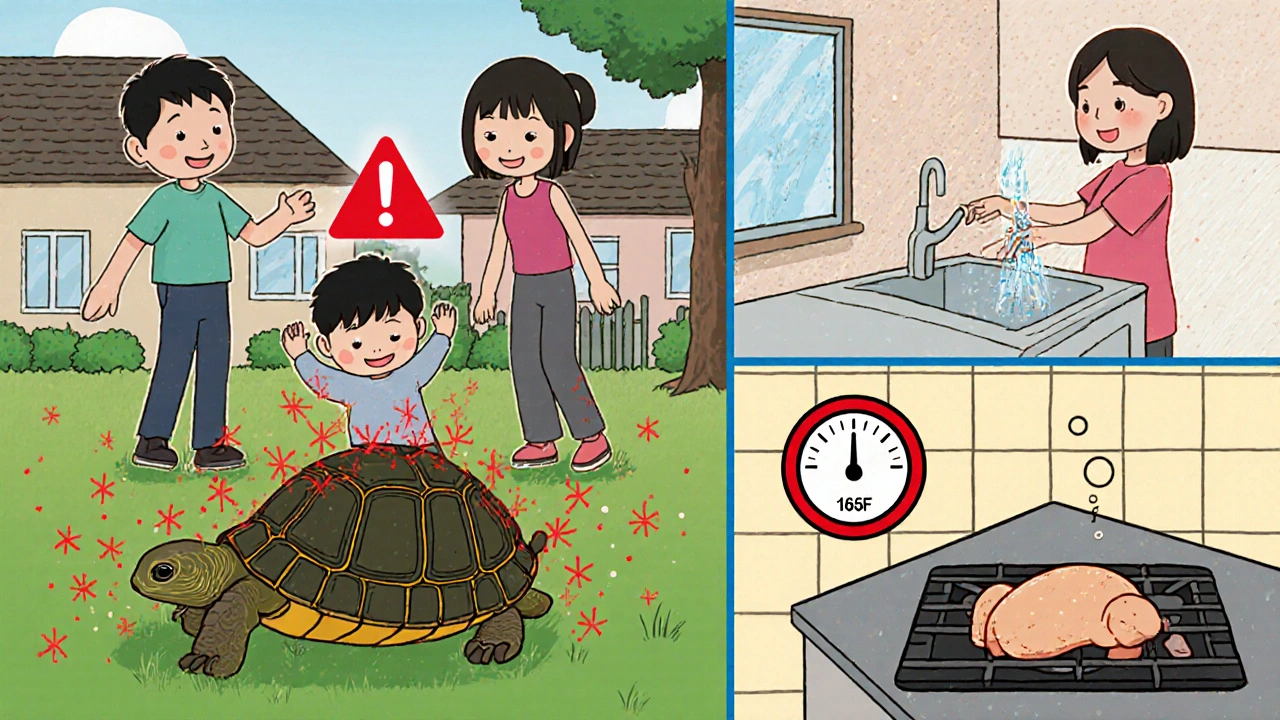
Zoonotic Diseases: How Animal-to-Human Infections Spread and How to Stop Them
Zoonotic diseases jump from animals to humans and cause millions of illnesses yearly. Learn how they spread, which ones are most common, and how to protect yourself and your family with simple, proven steps.