Author: Ian Glover
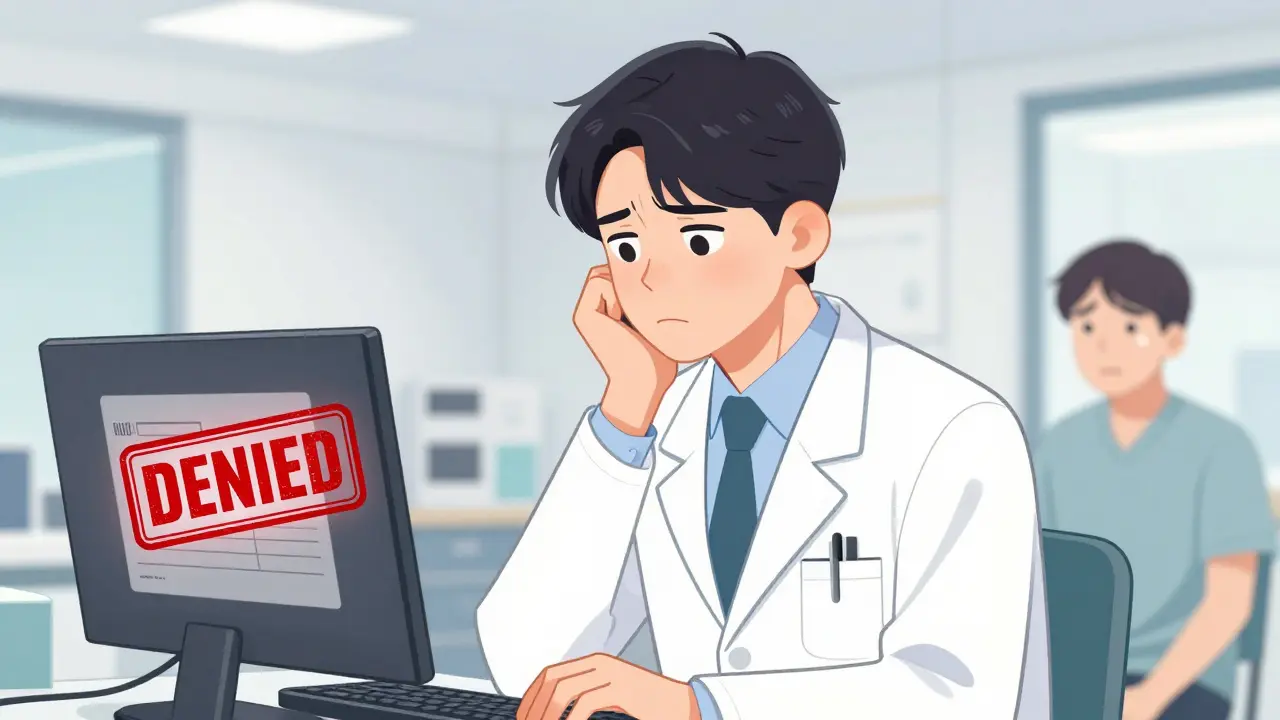
Handling Insurer Pressure on Generic Drug Substitutions: A Provider's Guide
Learn how healthcare providers manage insurer pressure regarding generic drug substitutions, including strategies for prior authorization and navigating new laws.

Return to Work With Chronic Pain: Essential Accommodations and Plans
Learn how to navigate returning to work with chronic pain. This guide covers legal rights, common accommodations, and practical plans to ensure successful reintegration.

Choosing Diabetes Medications Based on Side Effect Profiles
A practical guide to selecting type 2 diabetes treatments by comparing side effects, risks, and patient tolerability across major medication classes.

How to Request a Lower-Cost Therapeutic Alternative Medication: A Patient’s Practical Guide
Learn how to safely request a cheaper therapeutic alternative to your current medication. This guide explains the process, what to ask your doctor, and real-world strategies to reduce prescription costs.

Medication Storage and Authenticity: Protecting Your Home Supply from Counterfeit Drugs and Accidental Poisoning
Learn how to store medications safely to prevent accidental poisoning, counterfeit drugs, and loss of potency. Protect your family and your health with proven storage practices.
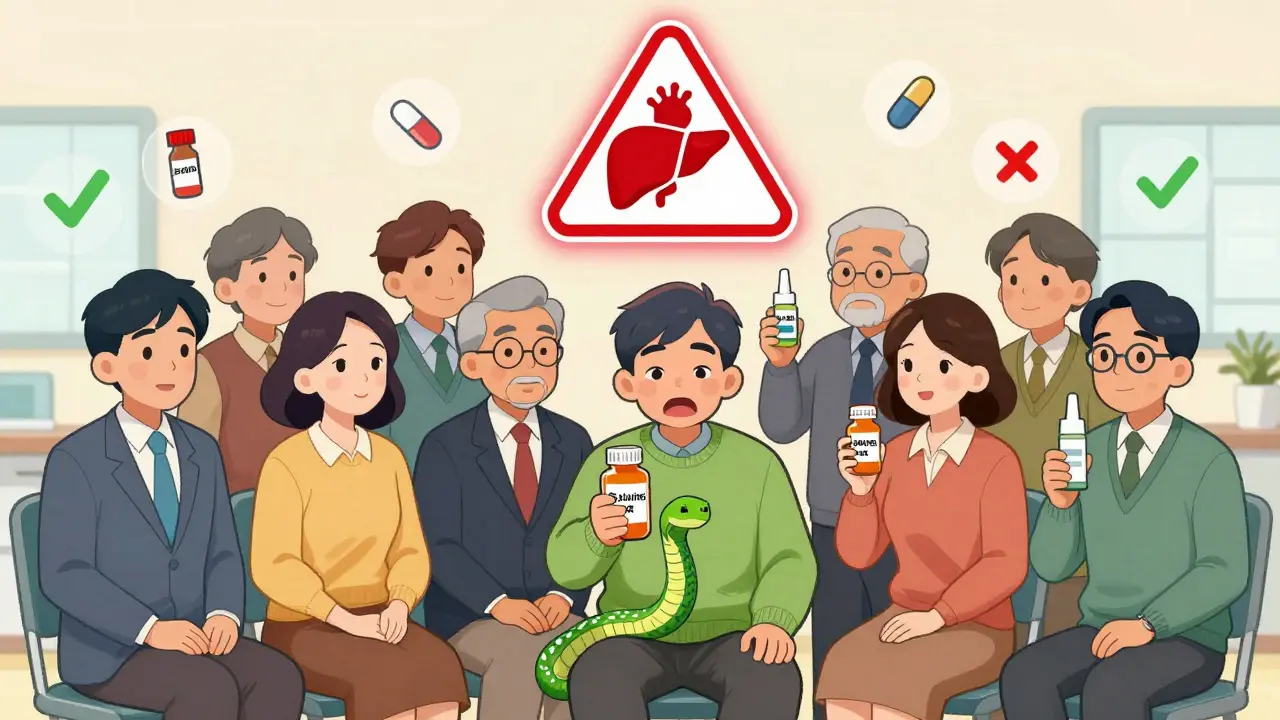
Antiretroviral Therapy and Common Medications: High-Risk Interactions
Antiretroviral therapy saves lives, but dangerous drug interactions with common medications can cause serious harm. Learn which HIV drugs clash with statins, painkillers, and herbal supplements - and what to do about it.
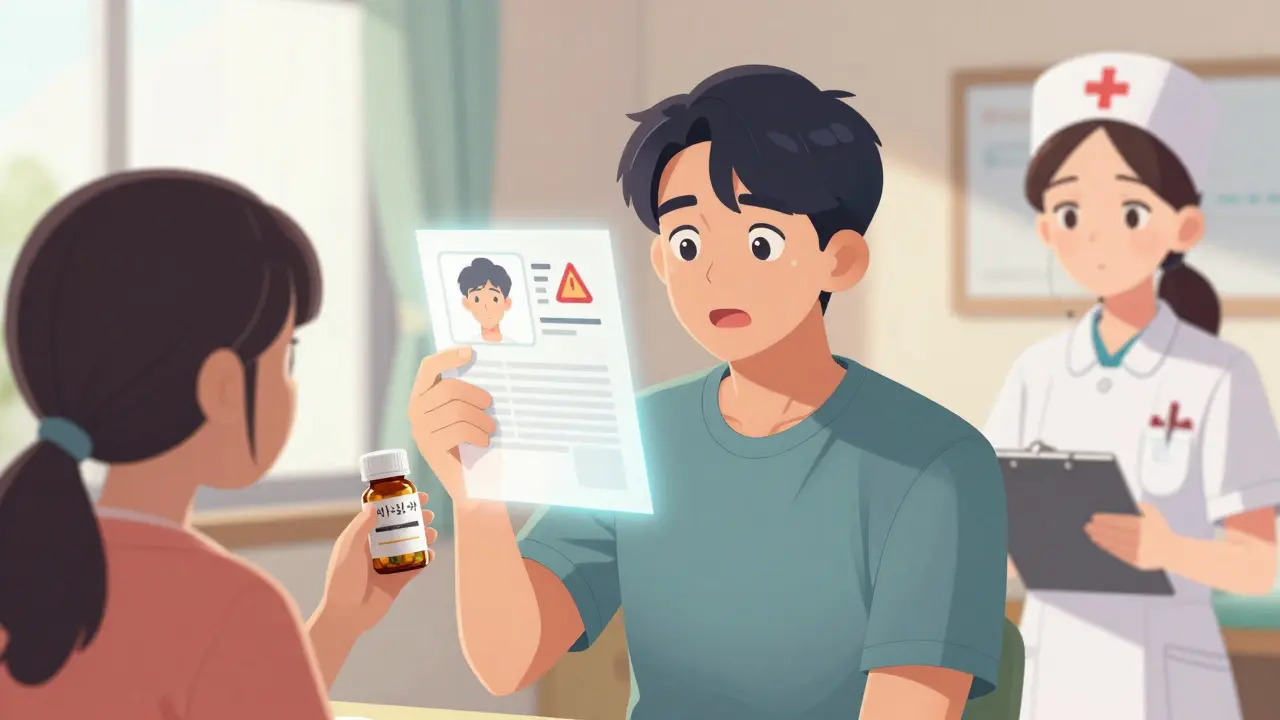
How to Report a Medication Error or Concern to Your Provider
Learn how to report a medication error to your provider or the FDA. Step-by-step guidance on documenting, escalating, and using official channels to protect yourself and others from preventable harm.

Diphenhydramine Overdose: Recognizing Antihistamine Toxicity and What to Do in an Emergency
Diphenhydramine overdose can cause life-threatening anticholinergic toxicity with hallucinations, seizures, and heart rhythm problems. Learn the signs, emergency treatments, and why social media challenges are making this more common.
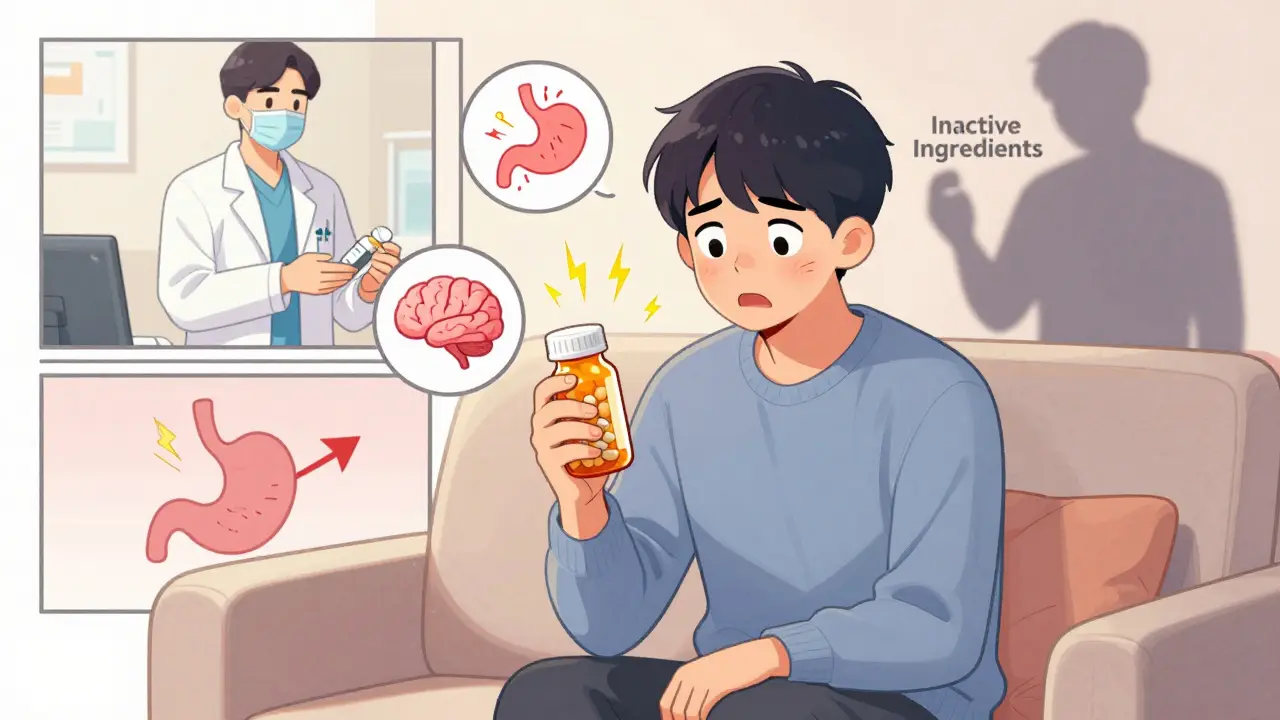
When to Call Your Doctor After Switching to Generics: Warning Signs
Switching to generics is usually safe, but some people experience side effects or reduced effectiveness. Know the warning signs - like rash, fatigue, or seizures - and when to call your doctor immediately.

Idiosyncratic Drug Reactions: Rare, Unpredictable Side Effects Explained
Idiosyncratic drug reactions are rare, unpredictable side effects that can cause severe organ damage or death. Unlike common side effects, they strike without warning, often weeks after starting a drug. This article explains how they happen, which drugs trigger them, and what’s being done to predict and prevent them.