Category: Health and Medicine - Page 3
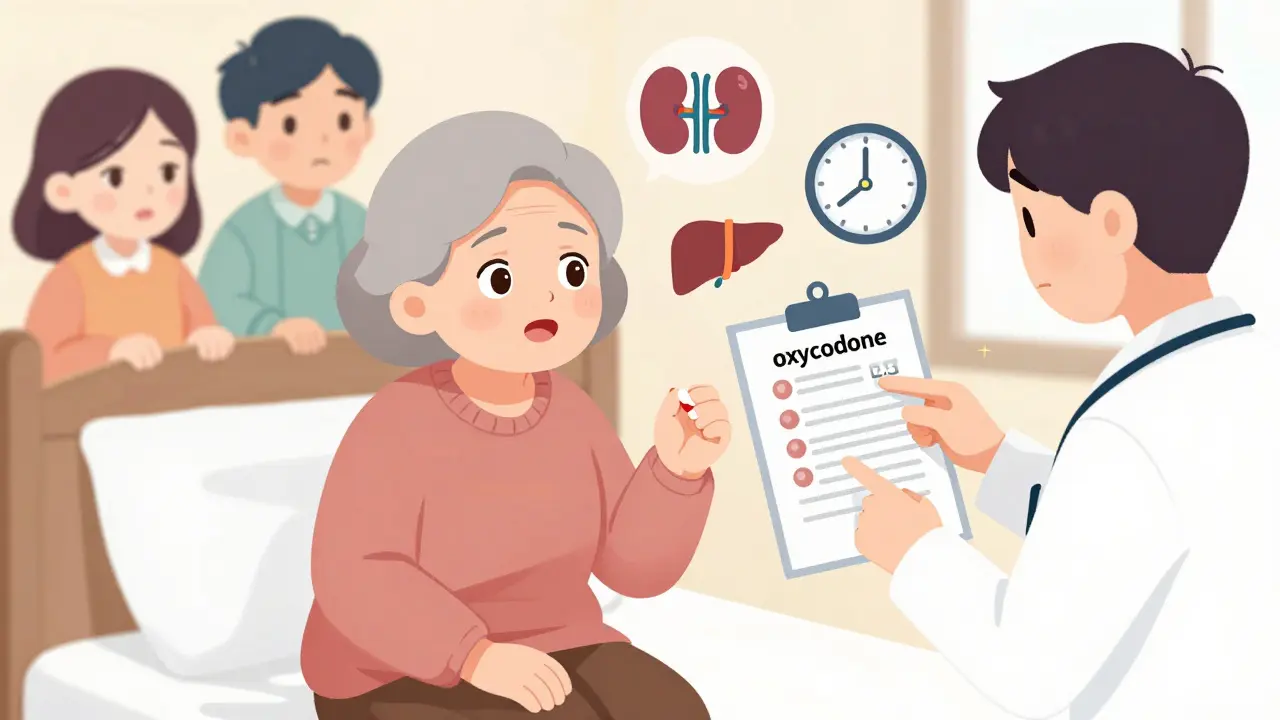
Opioids in Seniors: Safe Pain Management and Monitoring Practices
Opioids can safely manage pain in seniors when dosed carefully, monitored closely, and paired with non-drug therapies. Avoid high doses, long-acting forms, and dangerous drugs like meperidine. Start low, go slow, and prioritize function over pain scores.

Safe Allergy Medications During Pregnancy: What You Need to Know
Managing allergies during pregnancy requires careful medication choices. Safe options include nasal steroids like Rhinocort and second-gen antihistamines like Zyrtec. Avoid decongestants like Sudafed in the first trimester. Non-drug methods like saline rinses help reduce symptoms. Always consult your doctor before taking any medication.

Clopidogrel, Prasugrel, and Ticagrelor: Side Effects Compared (2026 Guide)
Choosing the right antiplatelet drug is critical for heart patients. This guide compares the side effects of clopidogrel, prasugrel, and ticagrelor, including bleeding risks, dyspnea, and expert preferences. Updated for 2026.
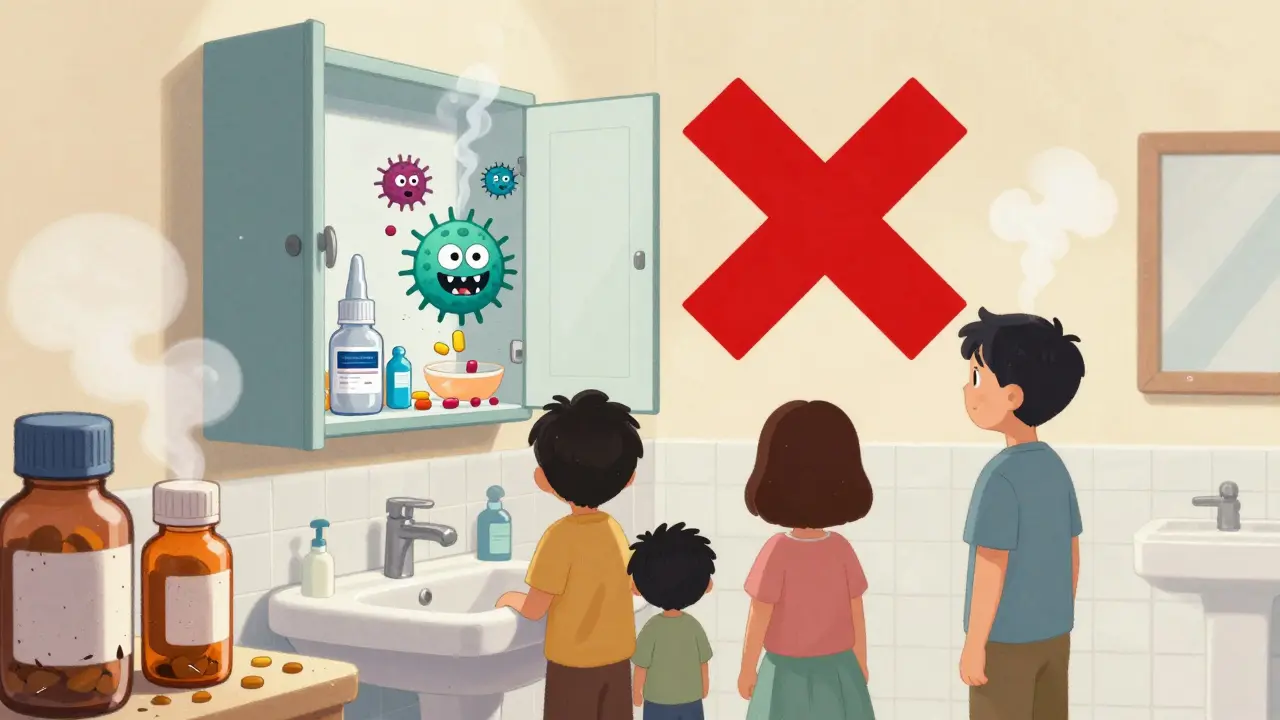
How to Store Medications to Prevent Early Expiration
Learn how to store medications properly to prevent early expiration, avoid waste, and ensure your pills remain safe and effective. Avoid common mistakes like bathroom storage and learn expert-backed tips for keeping your meds stable.
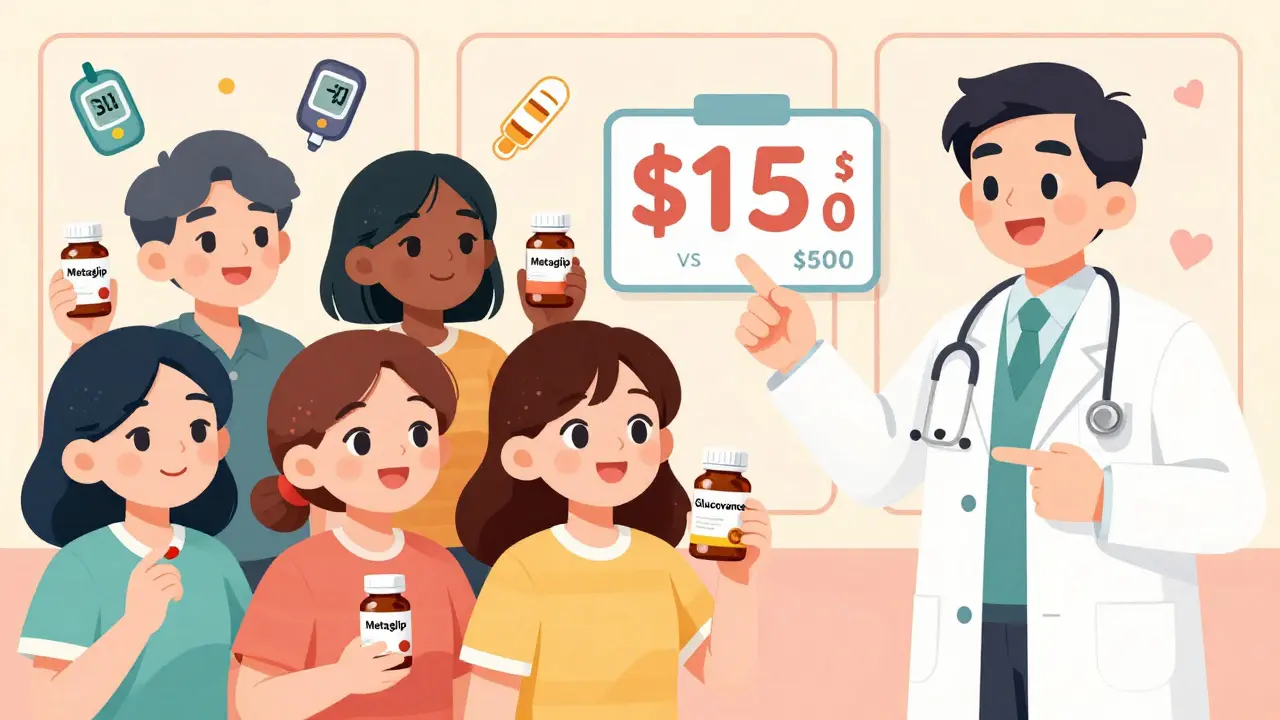
Diabetes Combination Medications: Generic Options and Substitution Guide
Learn about generic diabetes combination medications, which ones are available, how they compare to brand names, and when switching is safe-or risky. Save money without risking your blood sugar control.
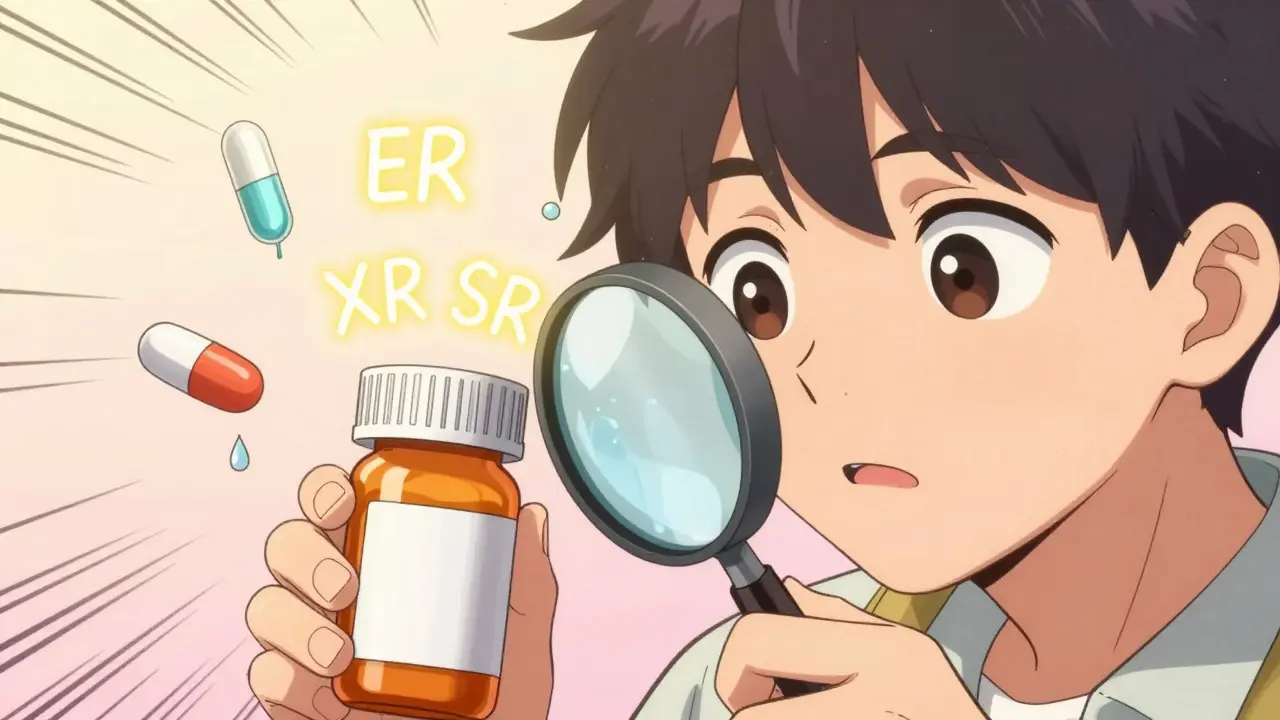
How to Read Directions for Extended-Release Medications on Labels
Learn how to safely read and follow instructions on extended-release medication labels to avoid dangerous mistakes like crushing pills or taking them at the wrong time. Understand ER, XR, SR, and CR labels and why timing matters.
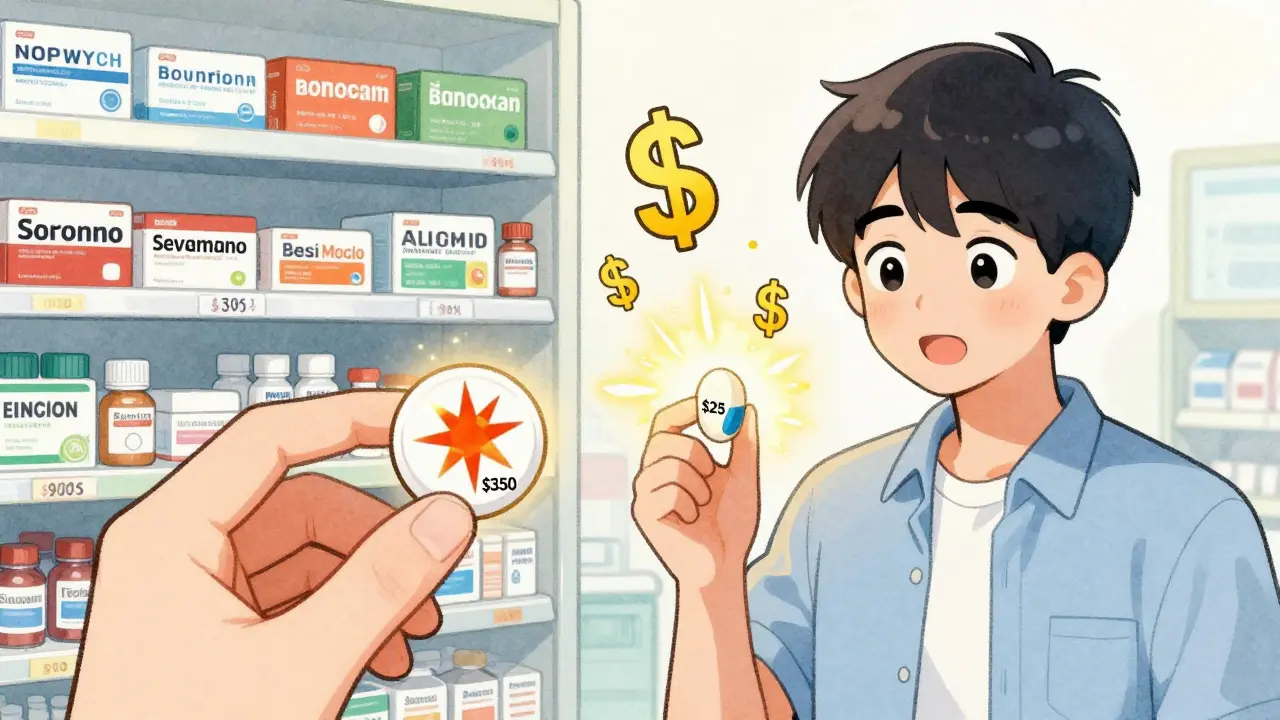
How Generics Control Healthcare Drug Spending in the U.S.
Generics make up 90% of U.S. prescriptions but only 12% of drug spending, saving billions annually. Learn how they work, why they're underused, and how they're the most powerful tool for controlling healthcare costs.
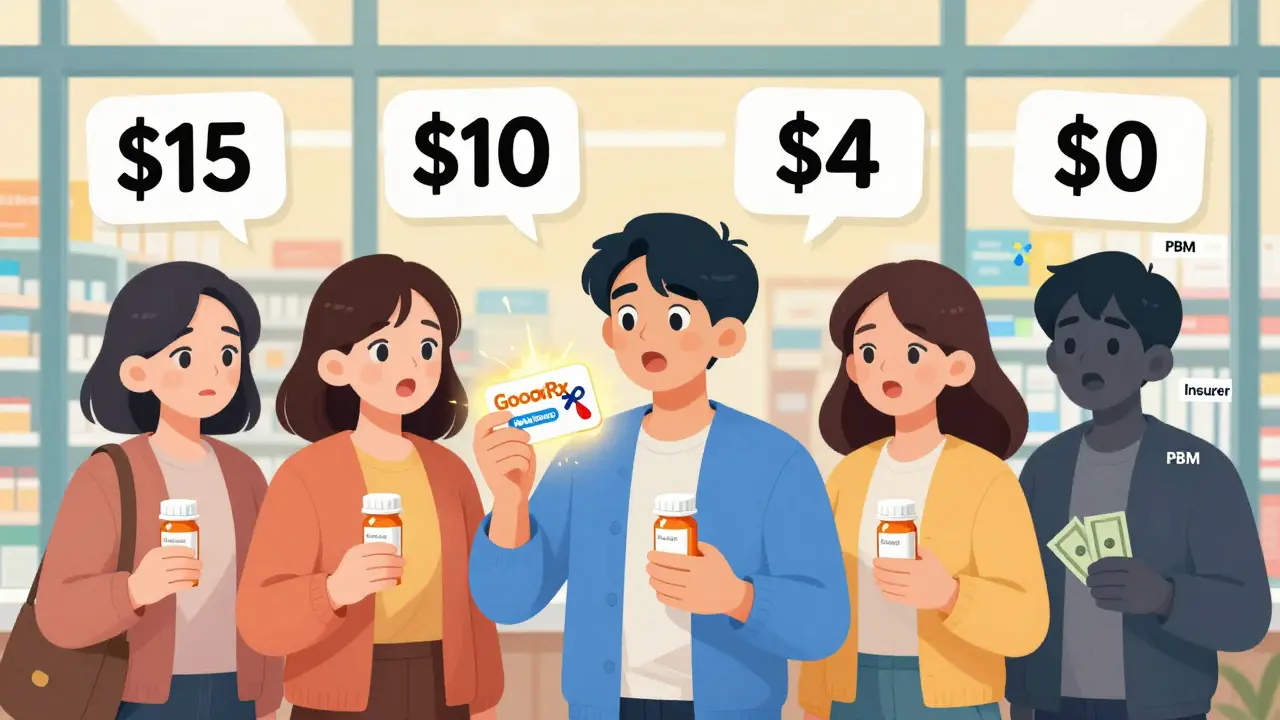
Generic Price Wars: How Consumers Save Money on Prescription Drugs
Generic drug price wars can slash prescription costs by over 95%, but middlemen often keep the savings. Learn how to find real discounts, compare cash prices, and beat the system to save money on your meds.
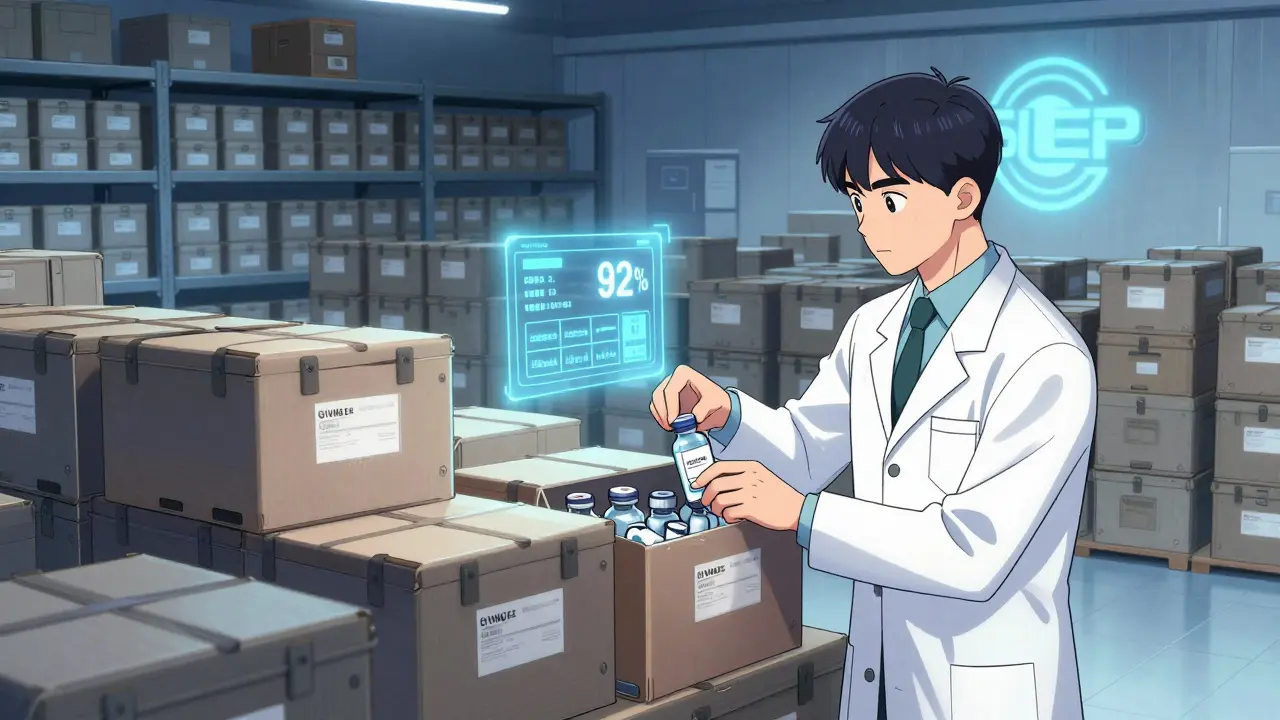
Military Shelf Life Extension Program: What It Reveals About Drug Stability and Expired Medications
The Military Shelf Life Extension Program proves many drugs remain effective years past their expiration dates when stored properly-saving billions and reshaping how we understand drug stability.
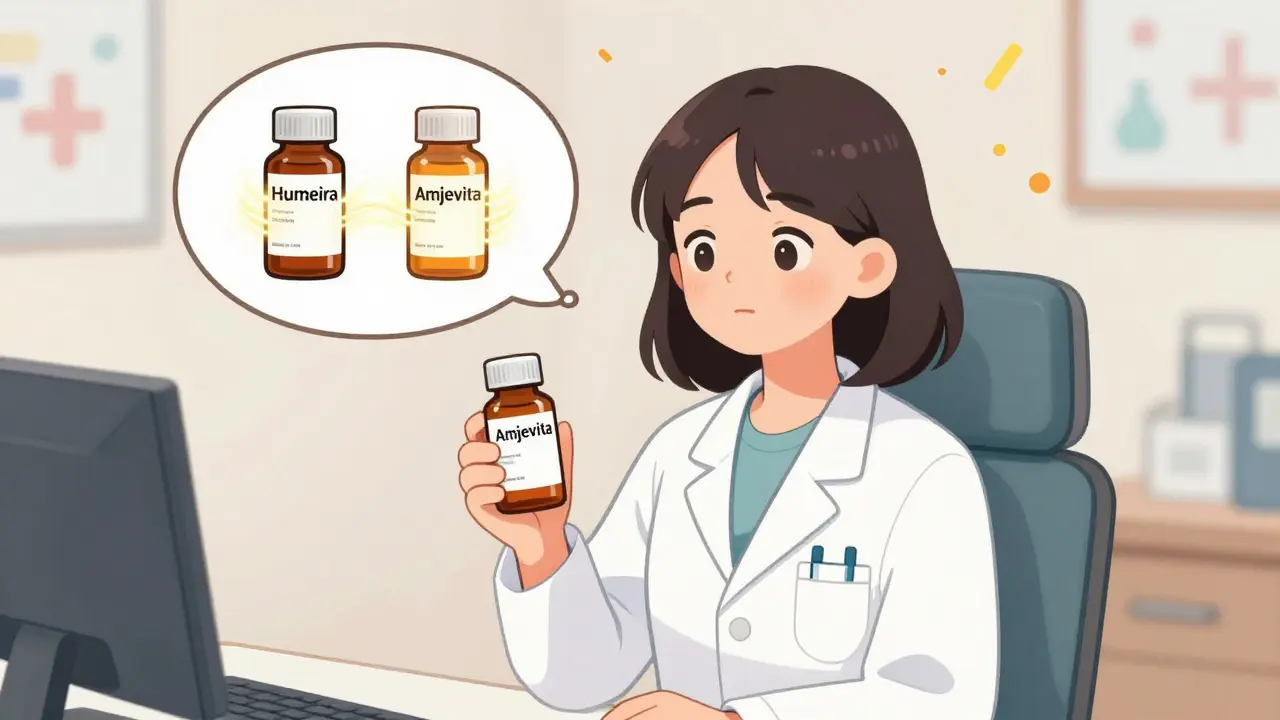
Biosimilar Medications: Are They Safe and Effective? The Real Facts
Biosimilar medications are proven to be as safe and effective as their brand-name biologics, with decades of real-world use and regulatory oversight. They offer major cost savings without compromising outcomes.